Author: birchandpoplar
-
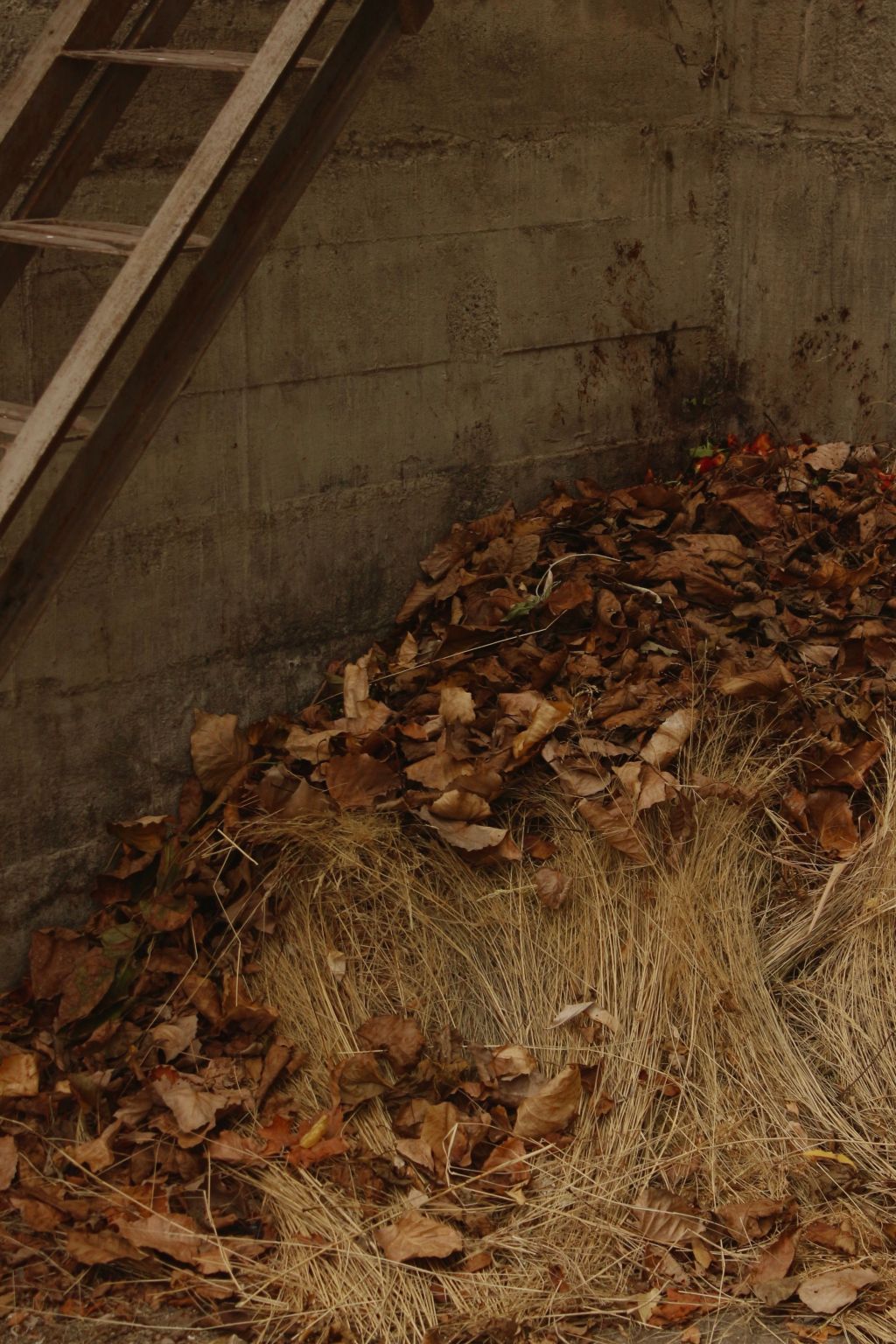
Composting 101: Turning Fall Cleanup Into Next Year’s Soil
All that fall garden debris — spent plants, fallen leaves, dropped fruit — doesn’t have to go to the curb. With a basic understanding of what compost actually needs, you can turn this season’s cleanup into next year’s best soil amendment. Balance browns and greens. Compost needs roughly 2-3 parts “browns” (dry leaves, straw, cardboard)…
-
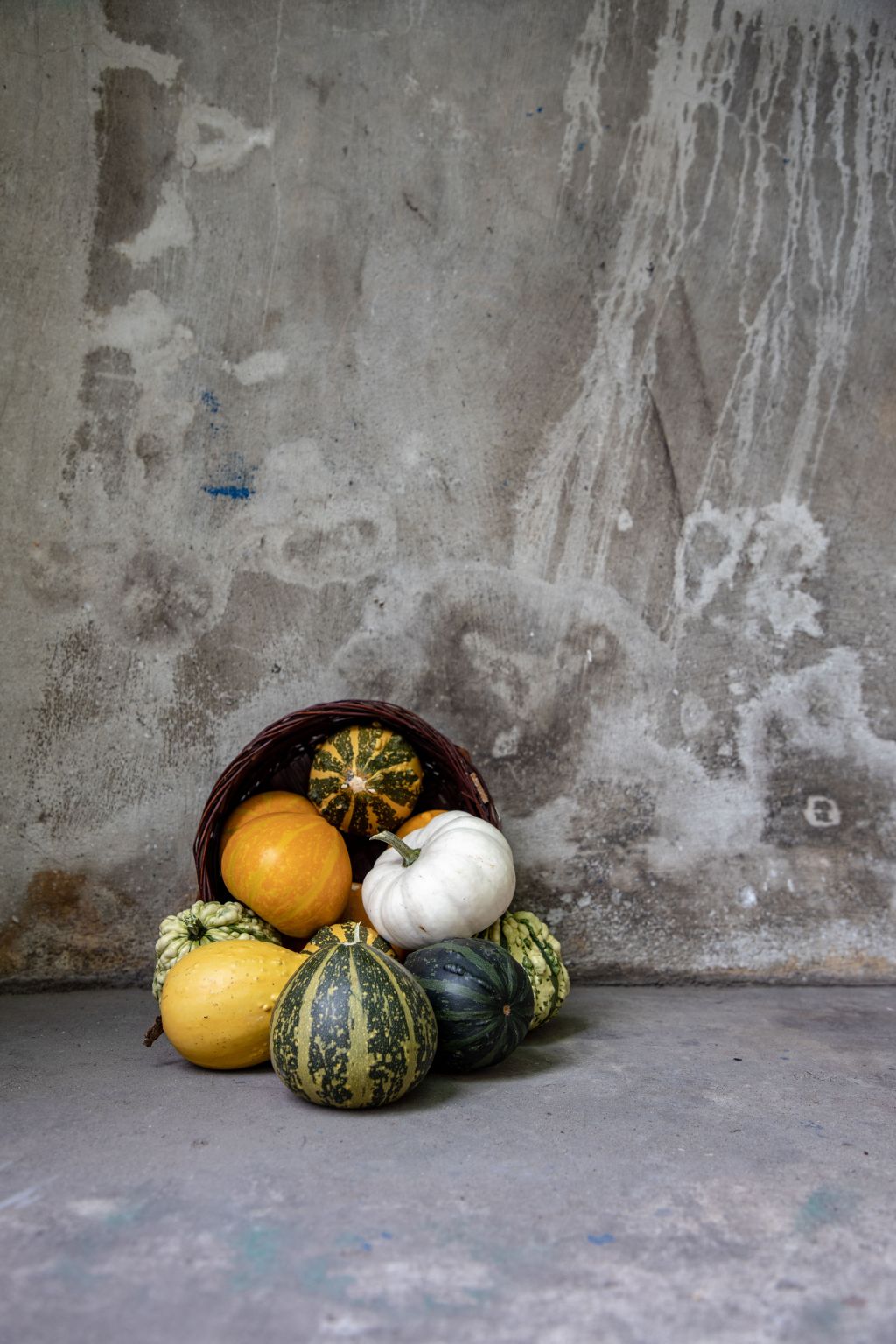
Curing and Storing Winter Squash for Months of Good Eating
Winter squash — butternut, acorn, delicata, spaghetti — are some of the best-keeping vegetables you can grow, but only if you cure and store them properly. Skip this step and you’ll be composting soft, moldy squash by Thanksgiving instead of eating it through February. Harvest at the right time. Wait until the vine dies back…
-
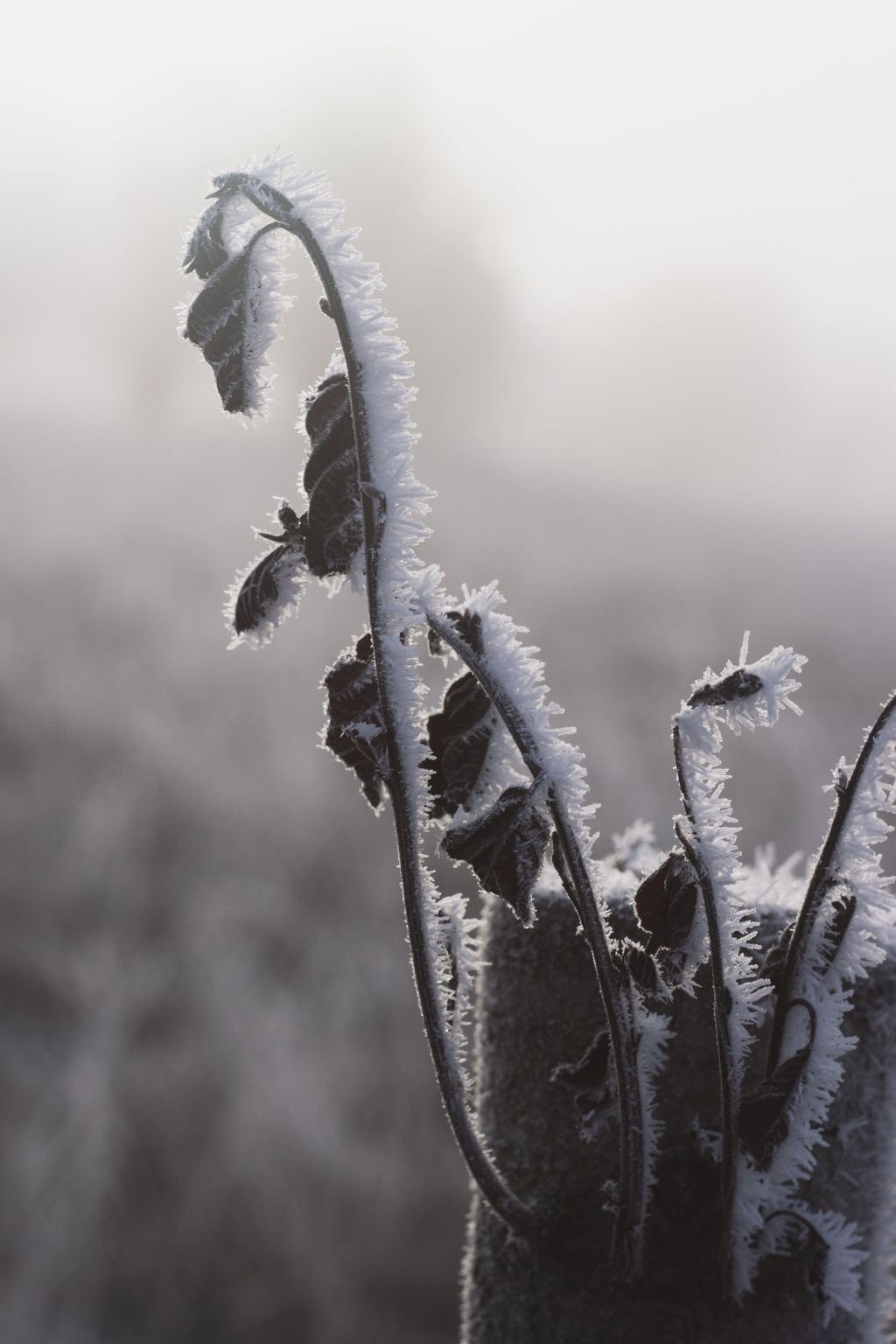
First Frost Prep: Protecting Tender Plants Before the Cold Hits
The first frost date sneaks up faster than it feels like it should. One week you’re still picking tomatoes, and the next the forecast says 34°F overnight. A little prep now can buy your garden several extra weeks of production — and save the plants you’re not ready to let go of. Know your frost…
-
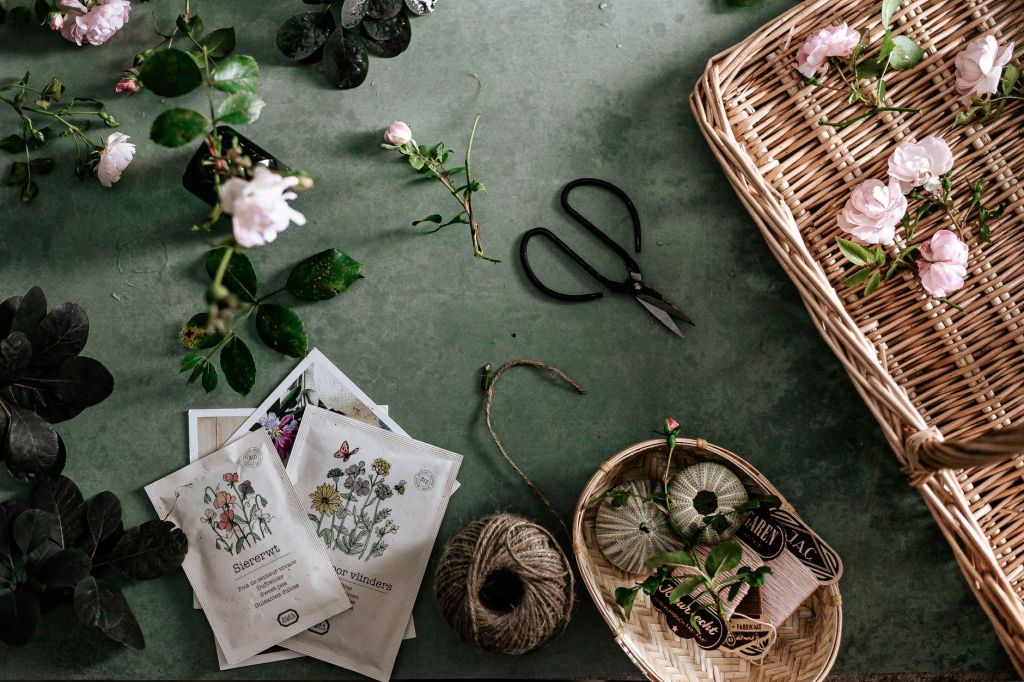
Building Your 2027 Seed Wishlist: Planning Next Year’s Garden Now
It feels backwards to start planning next year’s garden while this year’s harvest is still coming in, but it’s actually the best time to do it. The successes and failures are fresh in your mind, seed catalogs are starting to roll out their new releases, and the varieties everyone wants tend to sell out by…
-
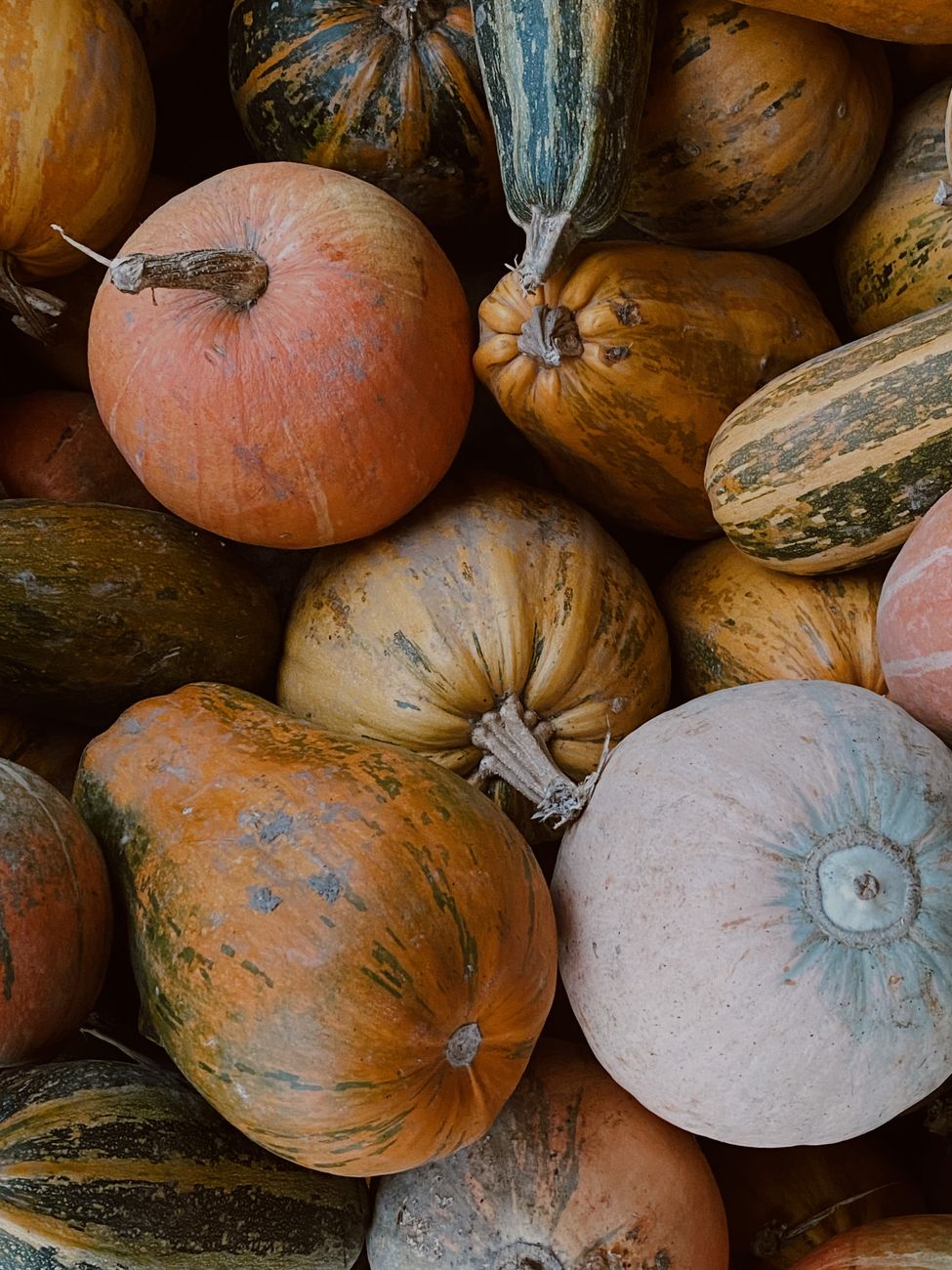
Canning Pumpkin & Winter Squash the Safe Way
Winter squash and pumpkins pile up fast this time of year, and after the freezer jam success from a few weeks back, it’s natural to want to can your way through the harvest too. But this is one spot where we need to slow down, because pumpkin and squash have a genuine food safety issue…
-
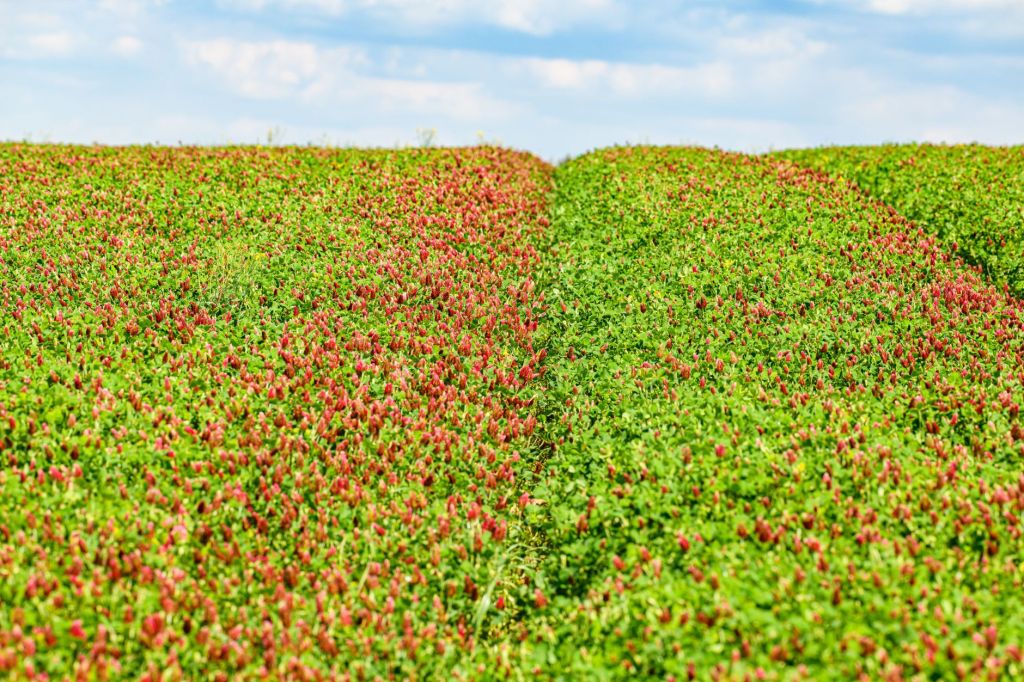
Cover Crops 101: Feeding Your Soil Over Winter
Bare soil is one of the most common — and most avoidable — mistakes in a home garden. Left uncovered all winter, soil erodes, loses nutrients to rain and wind, and starts spring compacted and depleted. A cover crop fixes all three problems for the cost of a seed packet and an afternoon. What a…
-
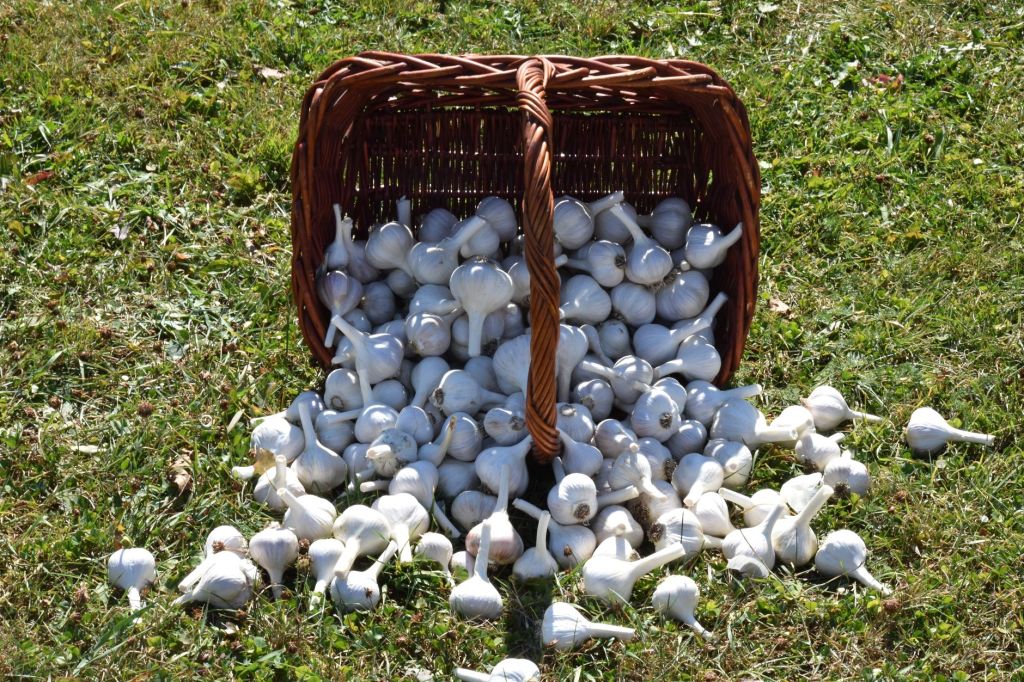
Planting Garlic in Fall for a Summer Harvest
If there’s one crop that converts skeptics into fall planters, it’s garlic. You put cloves in the ground in October, more or less forget about them all winter, and by July you’re pulling up heads bigger and better than anything at the grocery store. It’s one of the lowest-effort, highest-reward things you can grow. Timing:…
-
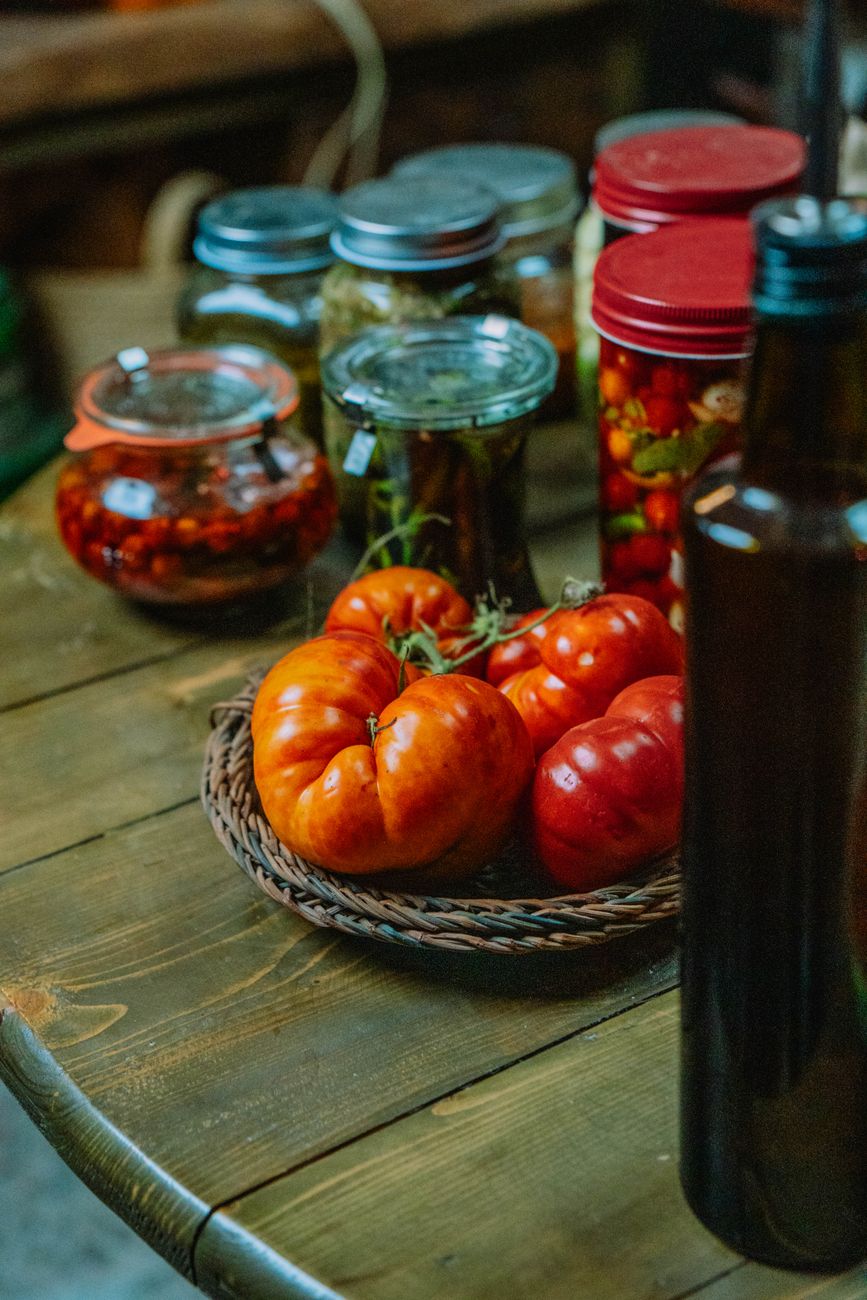
How to Save Seeds From Your Garden This Fall
Saving seeds is one of those things that sounds intimidating until you actually do it once, and then you wonder why you ever bought a $4 packet of something you grew in your own backyard. Fall is prime seed-saving season — plants have finished their cycle, and what’s left on the vine or in the…
-
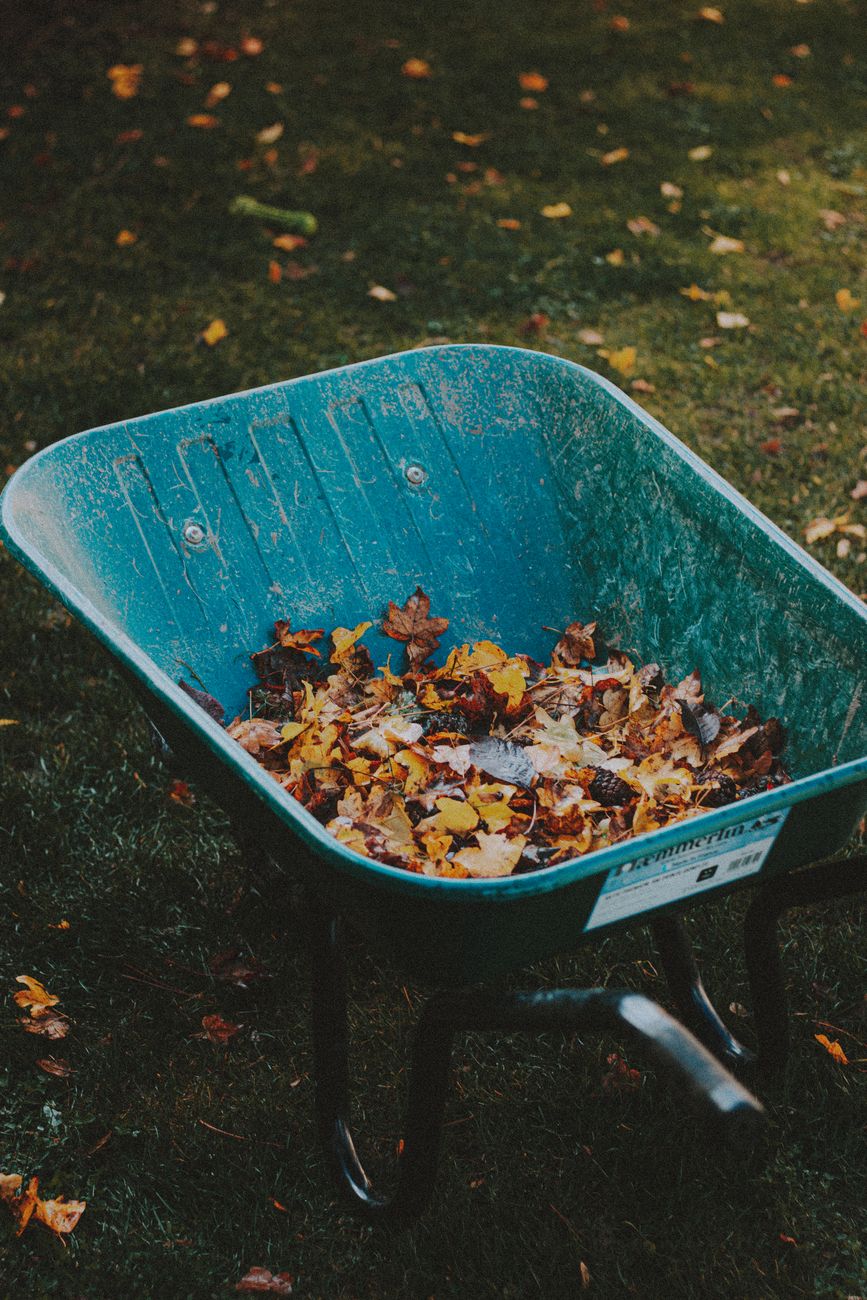
Fall Garden Cleanup: What to Pull, What to Leave
There’s a specific kind of relief that comes with the first cool morning in September — the tomatoes have slowed down, the squash vines are looking tired, and the garden is quietly asking to be put to bed. But “cleaning up” in fall isn’t about stripping every bed bare. Done right, it sets up healthier…
-
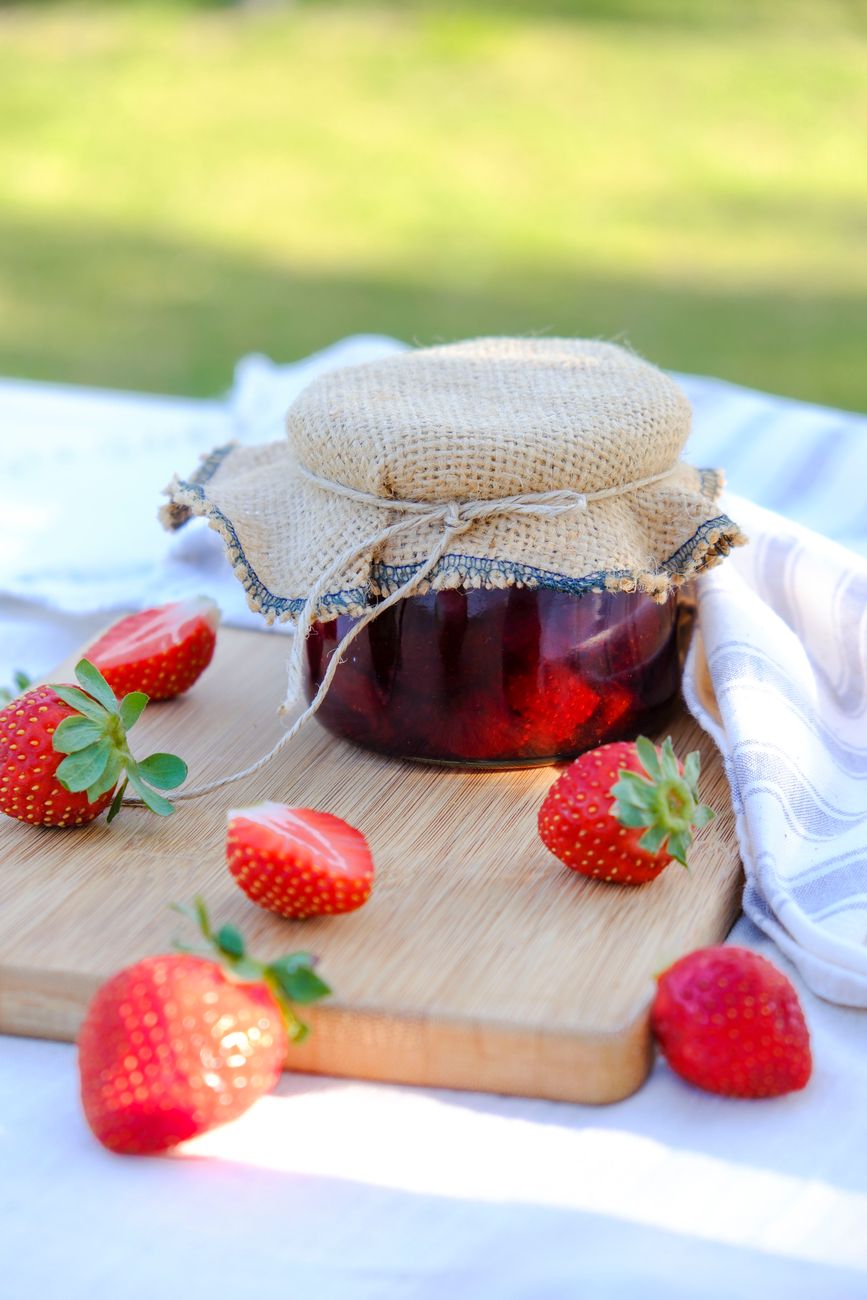
Beginner’s Guide to Freezer Jam (No Canner Required)
If the idea of a full water-bath canning setup feels like a lot right now, freezer jam is the easiest possible entry point into preserving fruit. It’s a great way to use up the last of late-summer berries and stone fruit. Why freezer jam is different from canned jam Canned jam is cooked long enough…

