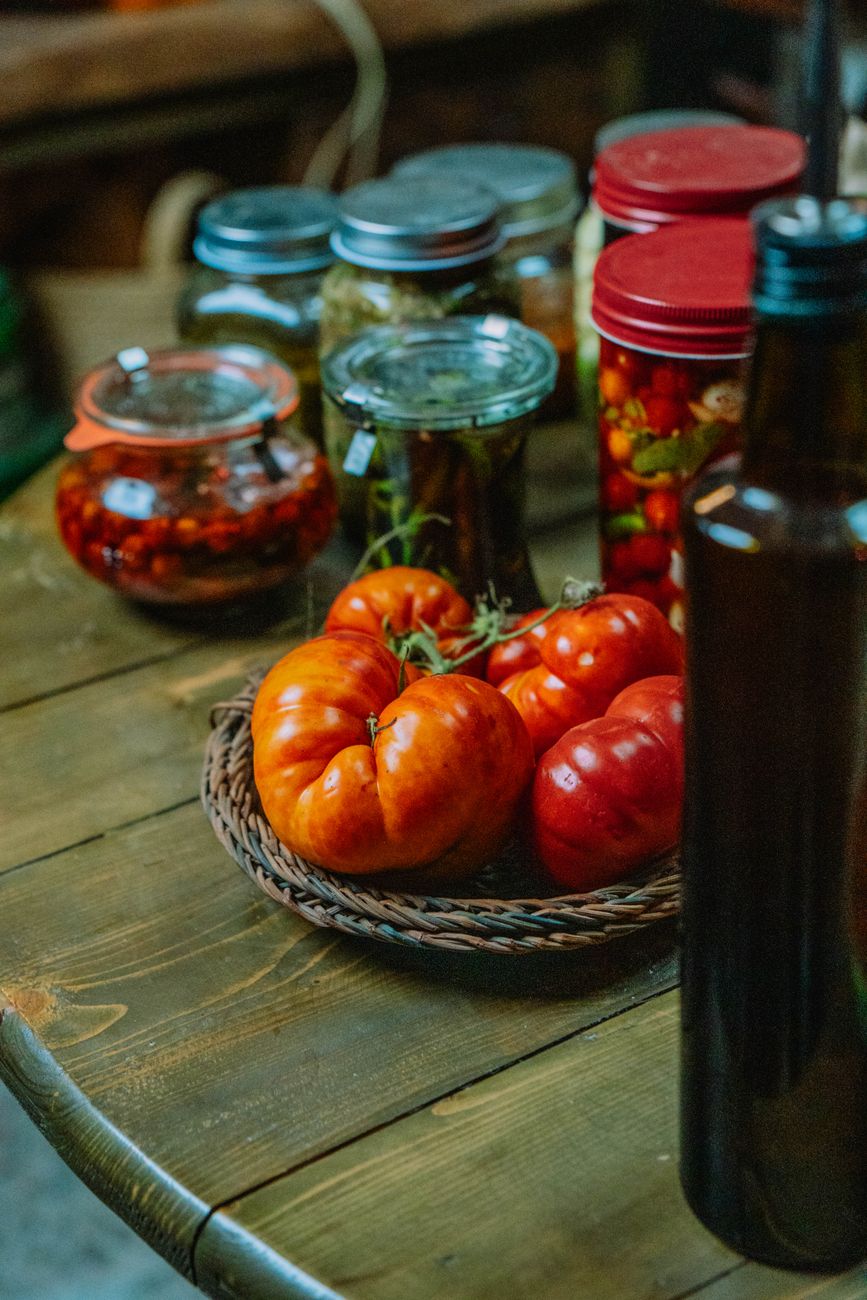
Saving seeds is one of those things that sounds intimidating until you actually do it once, and then you wonder why you ever bought a $4 packet of something you grew in your own backyard. Fall is prime seed-saving season — plants have finished their cycle, and what’s left on the vine or in the pod is often exactly what you need.
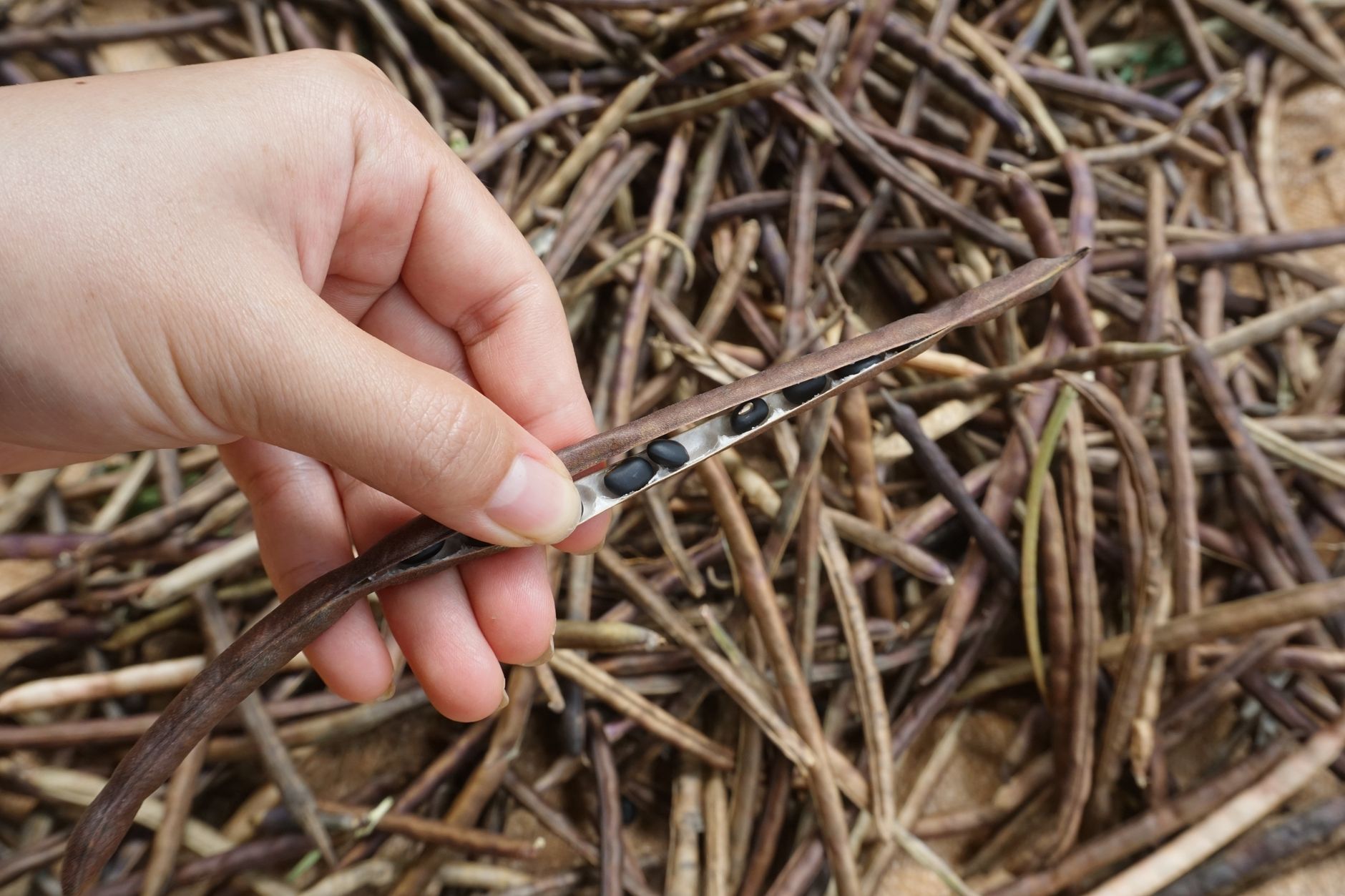
Start with the easy ones. If this is your first year saving seeds, stick to self-pollinating, open-pollinated plants: tomatoes, beans, peas, and lettuce are the most forgiving. (Skip hybrids — seeds from a hybrid plant won’t grow true to the parent.)
The basic process
- Let it go past “ripe.” Beans and peas should rattle dry in the pod. Tomato seeds should come from fruit that’s fully, almost-too-ripe.
- Clean the seeds. Tomato seeds need a quick ferment in water for a few days to remove the gel coating before drying — this also helps prevent seed-borne disease. Bean and pea seeds just need to be shelled and dried further.
- Dry thoroughly. Spread seeds on a paper plate or screen (not paper towel, which they’ll stick to) out of direct sun for one to two weeks.
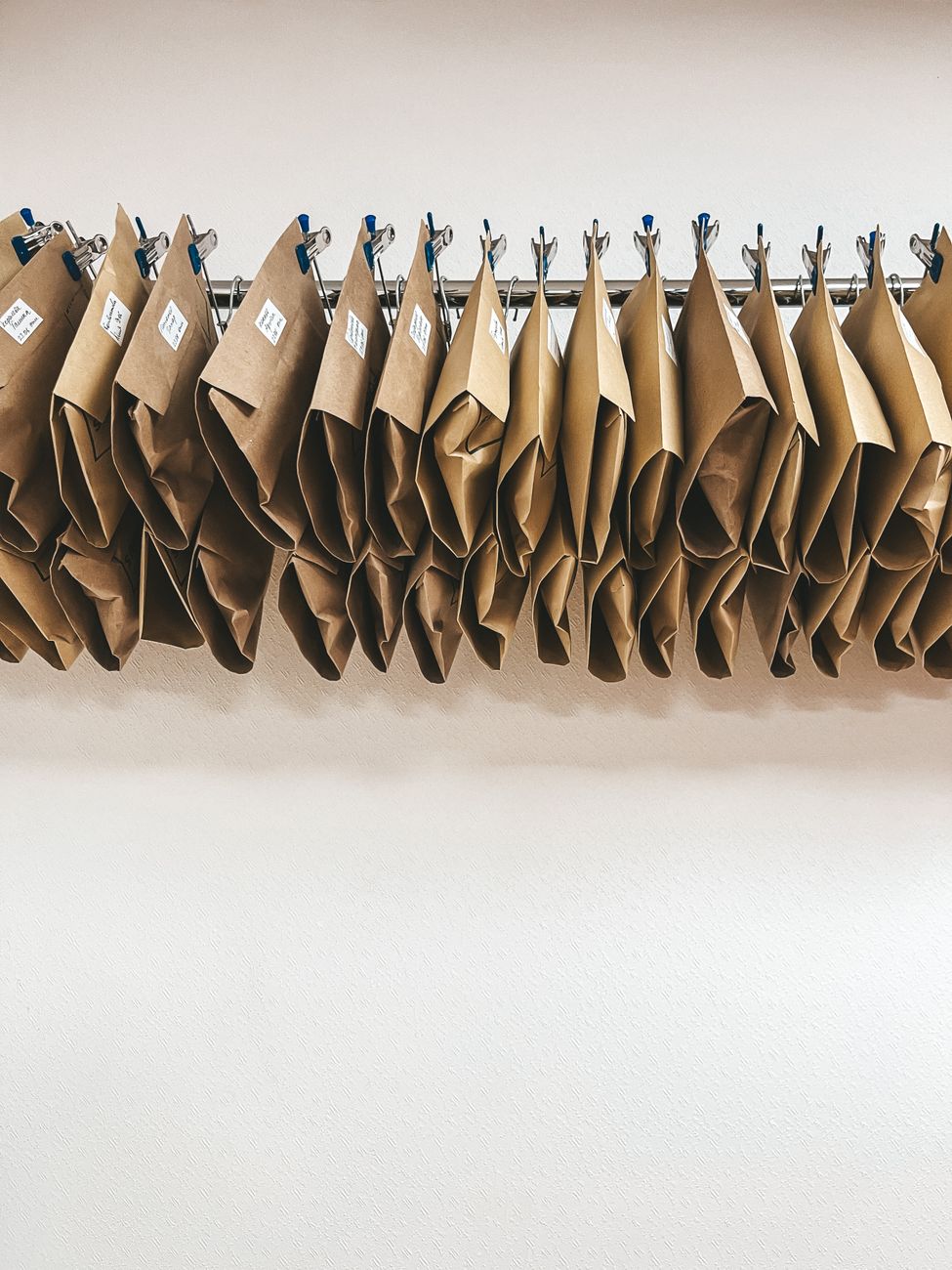
- Label and store. Paper envelopes, not plastic bags — trapped moisture is the number one way home-saved seeds fail. Write the variety and the year, every time. Future you will not remember which unlabeled envelope is which.
If you didn’t get to save from something you loved this year, that’s what next year’s garden plan is for. We like browsing SeedsNow for affordable open-pollinated and heirloom varieties specifically because their seeds are the kind that are worth saving from — and if you want to go deeper on unusual heirlooms with real backstory, Botanical Interests has some of the best variety notes in the business.
By the time your seed box has a few years of your own harvests in it, you’ll have varieties that are quietly adapting to your soil, your climate, your yard. That’s not something you can buy — but it’s easy to start.


Leave a comment