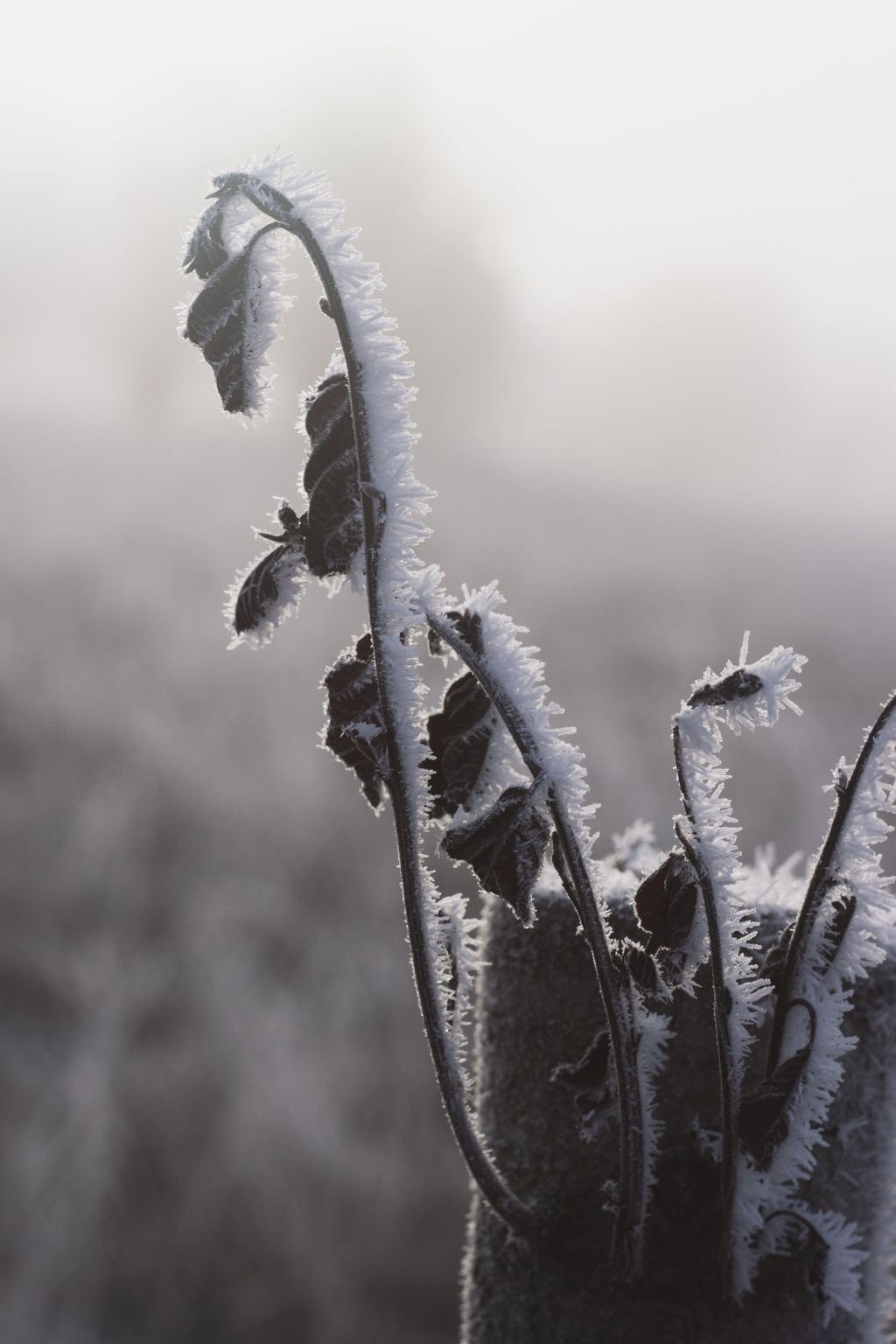
The first frost date sneaks up faster than it feels like it should. One week you’re still picking tomatoes, and the next the forecast says 34°F overnight. A little prep now can buy your garden several extra weeks of production — and save the plants you’re not ready to let go of.
Know your frost date. Every region has an average first frost date, but “average” means half the time it comes earlier. Check your local extension office’s frost date estimate and start prepping about two weeks out.
Cover what you can. Frost cloth, old bedsheets, or floating row cover draped over stakes (not directly on the leaves) can protect tender plants like tomatoes, peppers, and basil down to a few degrees below freezing. Remove covers in the morning once temps rise so plants don’t overheat or get too little light. A reusable frost cloth and a set of hoops from Garden Guru Tools makes this a five-minute job instead of a scramble with bedsheets in the dark.
Harvest what won’t survive. Tomatoes will keep ripening on a sunny windowsill if picked green-to-breaking before frost. Basil turns to black mush at the first light frost — harvest it all and make pesto or dry it. Peppers can handle a light frost better than basil but won’t survive a hard freeze.
Move potted plants. Container herbs and tender perennials can come inside or into a garage/porch for the night. Even an unheated garage is often 10-15°F warmer than outside.
Mulch root crops. Carrots, beets, and parsnips actually sweeten after a light frost and can stay in the ground longer if you pile on a thick layer of straw mulch to keep the soil workable.
Frost isn’t the end of the season — it’s a milestone. With the right prep, you can stretch harvests for weeks past that first cold snap.


Leave a comment