Category: Food Preservation
-
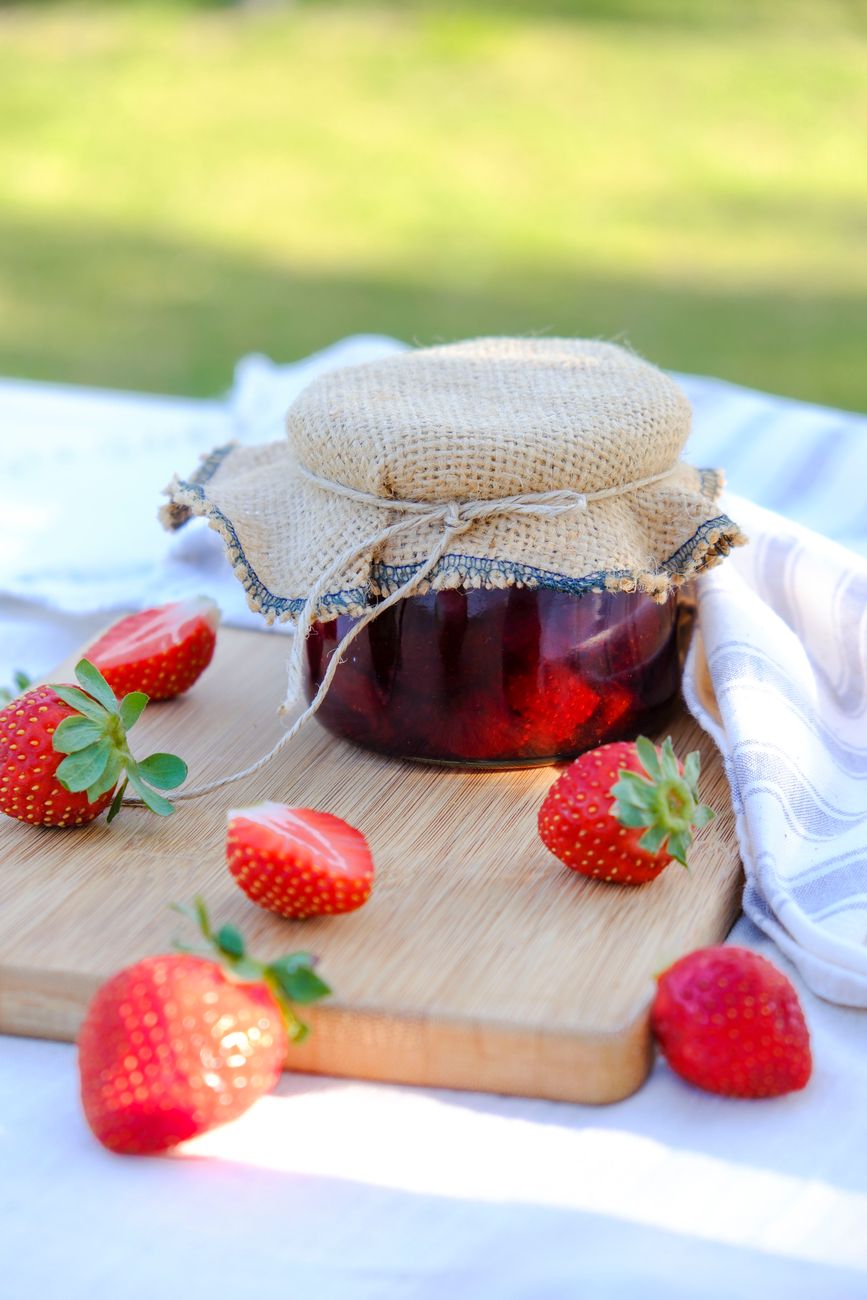
Beginner’s Guide to Freezer Jam (No Canner Required)
If the idea of a full water-bath canning setup feels like a lot right now, freezer jam is the easiest possible entry point into preserving fruit. It’s a great way to use up the last of late-summer berries and stone fruit. Why freezer jam is different from canned jam Canned jam is cooked long enough…
-
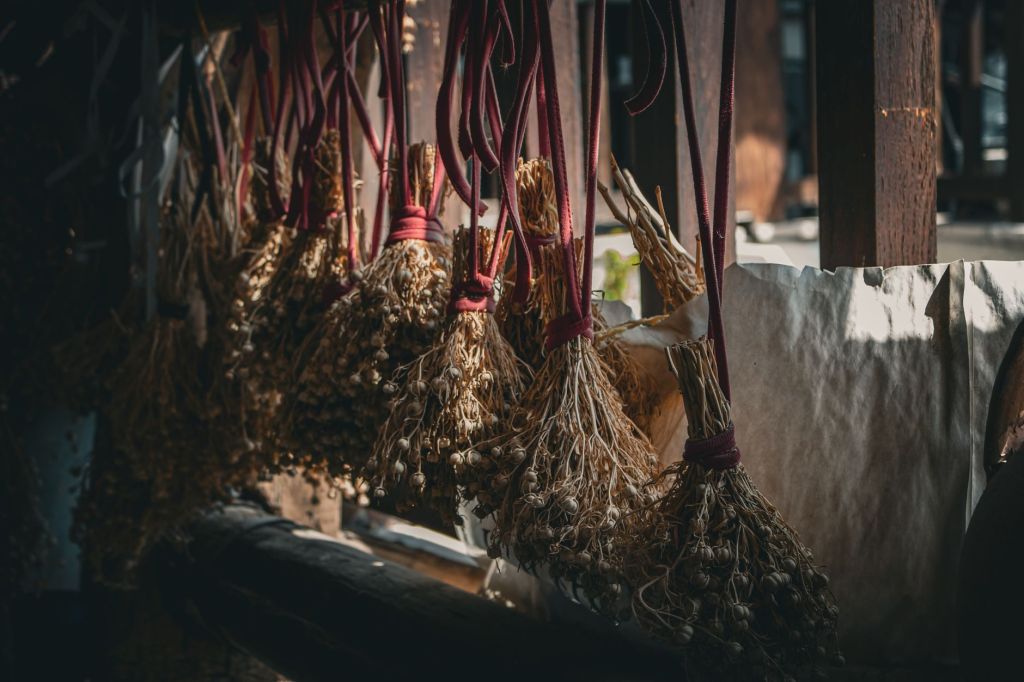
Drying Herbs at Home: 3 Simple Methods for Preserving Peak-Flavor Herbs
Herbs are at their most fragrant right before they flower. Which for a lot of garden herbs happens in mid-to-late summer. Drying is the simplest way to capture that flavor for the rest of the year, and unlike canning, there’s no acidity or processing time to worry about. Harvest at the right time Cut herbs…
-
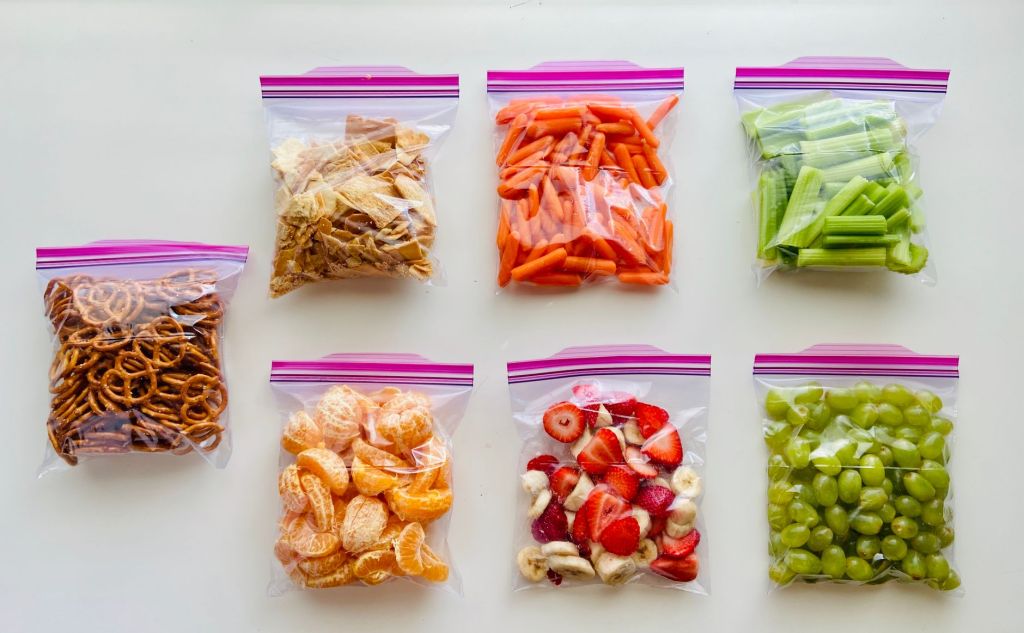
Freezing Vegetables: The Simple Blanch-and-Freeze Method for Peak-Season Produce
If canning feels like a big commitment, freezing is the easiest way to put away peak-season produce — no jars, no processing times, no acidity math. The one step most people skip (and shouldn’t) is blanching. Why blanch before freezing? Blanching — a brief dunk in boiling water followed by an ice bath — stops…
-
Grow It, Then Preserve It: Cucumbers to Crisp Pickles
Not every cucumber makes a good pickle. This is the guide we wish we’d had before we planted a slicing variety and wondered why our pickles turned out soft and hollow. Grow: pick the right variety Pickling cucumbers (like Boston Pickling or National Pickling): bred specifically for this, thinner skin, fewer seeds, stay firm when…
-
How to Water-Bath Can Tomatoes (Beginner-Friendly)
Safety first: Home canning is very safe when you follow a tested recipe exactly, but it’s one of the few kitchen skills where changing a step can matter. This post explains the process; always cross-check your specific processing time against a current, tested source like the National Center for Home Food Preservation (nchfp.uga.edu) or the…

