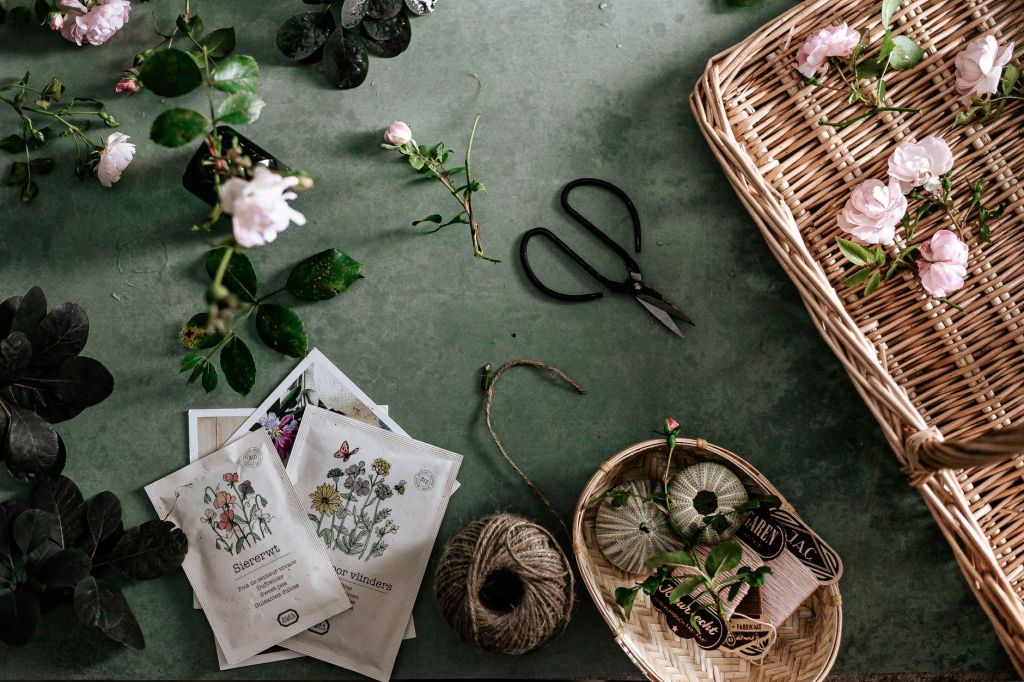
It feels backwards to start planning next year’s garden while this year’s harvest is still coming in, but it’s actually the best time to do it. The successes and failures are fresh in your mind, seed catalogs are starting to roll out their new releases, and the varieties everyone wants tend to sell out by February.
Start with a quick debrief. Grab a notebook (or the notes app you’ve been meaning to actually use) and answer three questions for each crop you grew this year: Would you grow it again? Did it get enough sun, water, and space? Did anything outperform expectations? This five-minute exercise does more for next year’s garden than any amount of catalog browsing.

Build your wishlist around a few categories
- Proven favorites — the varieties that performed well and are worth reordering before they sell out.
- One or two new experiments — trying something new every year keeps gardening interesting, and you’ll never know if you like it until you grow it.
- Gaps to fill — did you wish all summer you’d planted more basil, or an extra row of beans for freezing? Write it down now, while the memory is fresh.
This is where we spend a genuinely embarrassing amount of time every fall: browsing SeedsNow for reliable, budget-friendly staples and restocking basics, then going down a rabbit hole on Botanical Interests for the specialty heirlooms and flowers that make a garden feel like yours instead of a generic vegetable patch. Getting on both of their mailing lists now means you’ll know the moment new catalogs and seasonal sales drop.
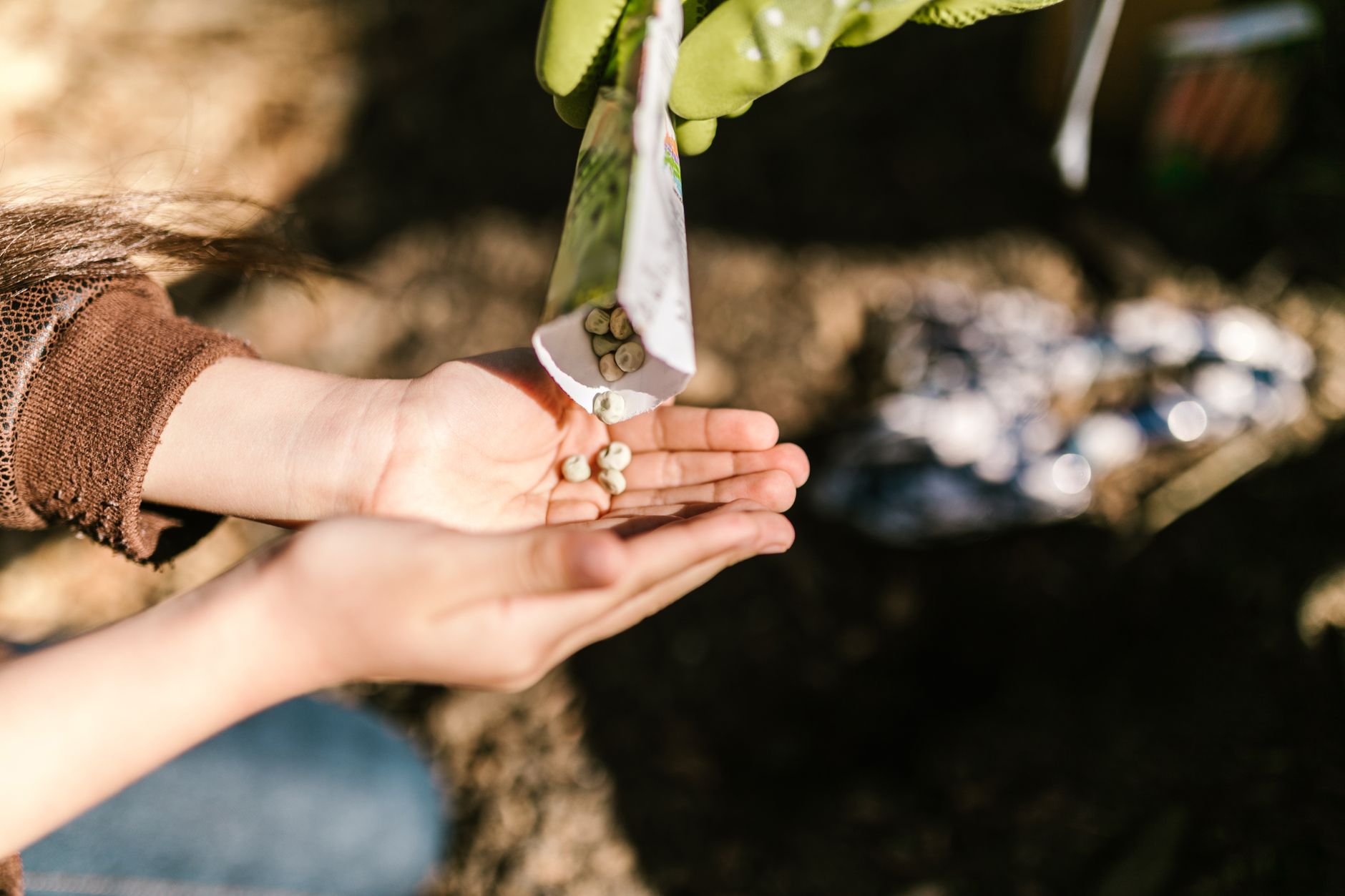
A last practical tip: keep your wishlist somewhere you’ll actually see it in February, whether that’s a physical seed box, a pinned note, or a running document. The gap between “I should really order seeds soon” and “everything I wanted is sold out” closes faster than you’d think.
Next year’s garden starts now, not in March. A little planning this month is the difference between scrambling for seeds in spring and starting the season already ahead.


Leave a comment