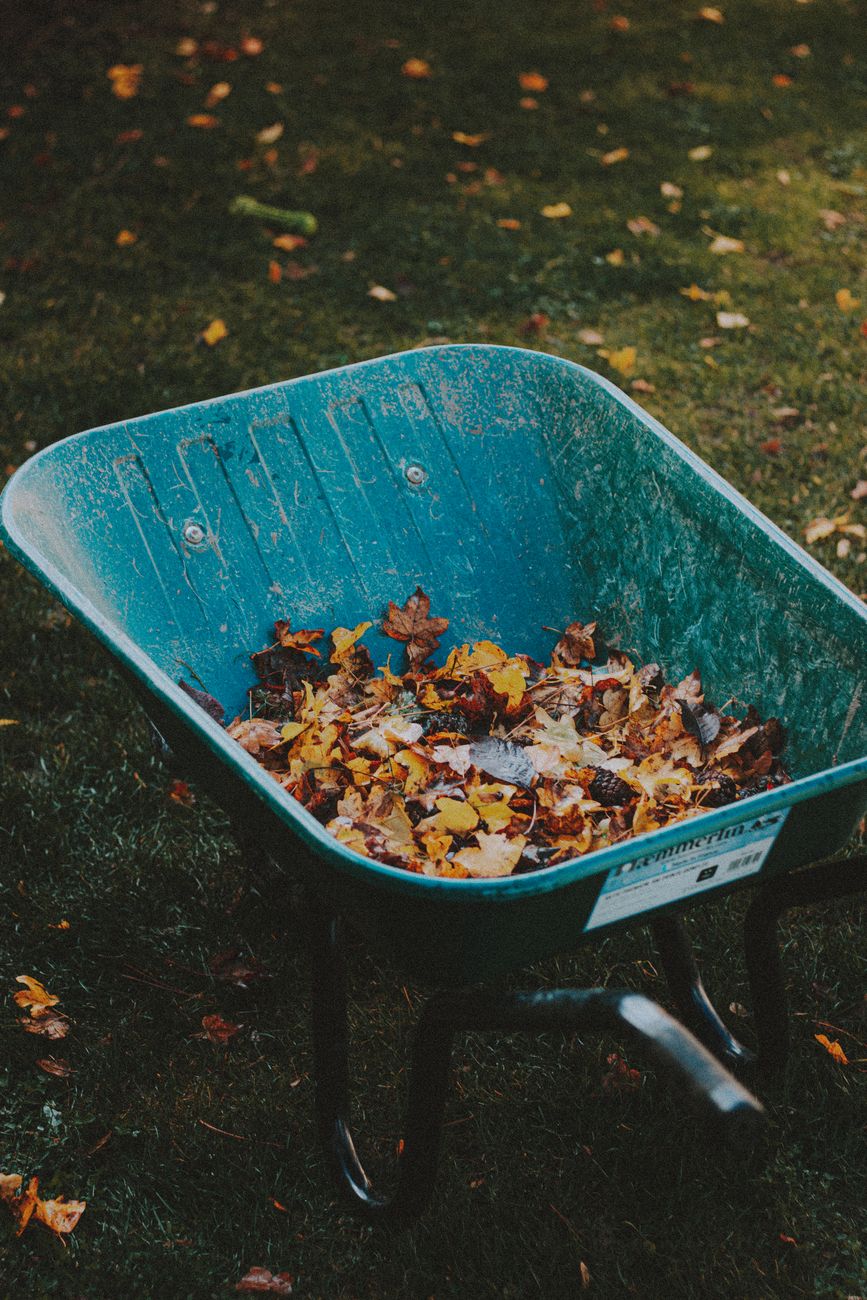
There’s a specific kind of relief that comes with the first cool morning in September — the tomatoes have slowed down, the squash vines are looking tired, and the garden is quietly asking to be put to bed. But “cleaning up” in fall isn’t about stripping every bed bare. Done right, it sets up healthier soil and fewer pest problems next spring, while still leaving something behind for the birds and beneficial insects that need it.
What to pull
- Anything diseased. Powdery mildew on squash leaves, blight on tomato vines, blackspot on anything — all of it should go in the trash, not the compost pile. Composting diseased material just reintroduces the problem next year.
- Spent annuals and finished summer crops. Once a plant has stopped producing and started yellowing, it’s not doing anything for you anymore. Pull it and free up the bed for a cover crop or a fall planting.
- Anything that hosted pests all summer. Squash bugs, cucumber beetles, aphids — they overwinter in garden debris. If a bed was a pest magnet, clear it thoroughly.
What to leave
- Healthy perennials. Cut back if they look ragged, but don’t rip out anything that’s coming back next year.
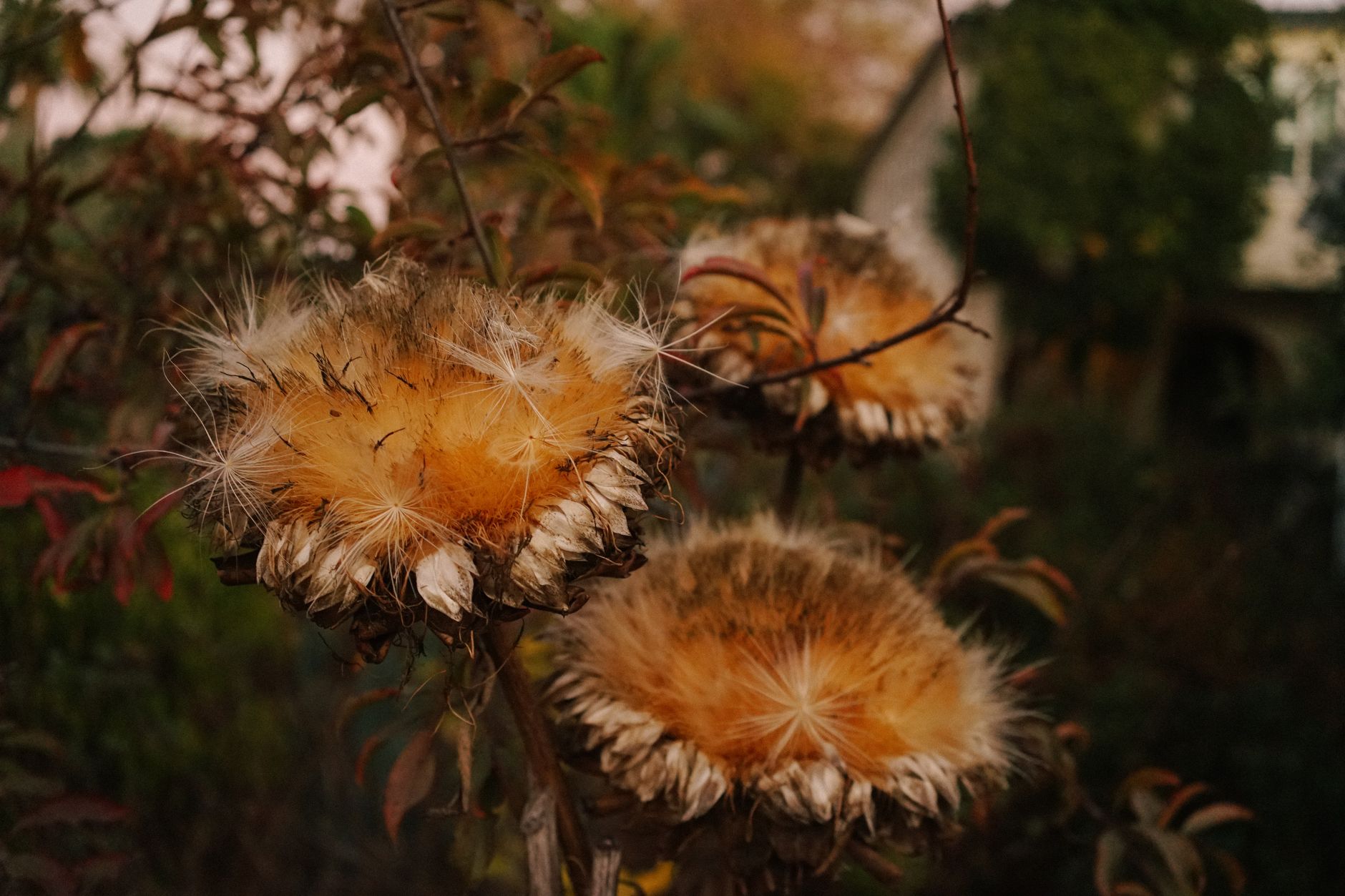
- Seed heads on coneflowers, black-eyed Susans, and sunflowers. Birds rely on these through winter, and leaving them up is one of the easiest things you can do for backyard wildlife.
- A layer of mulch or shredded leaves. This protects soil structure and the organisms living in it over the cold months.
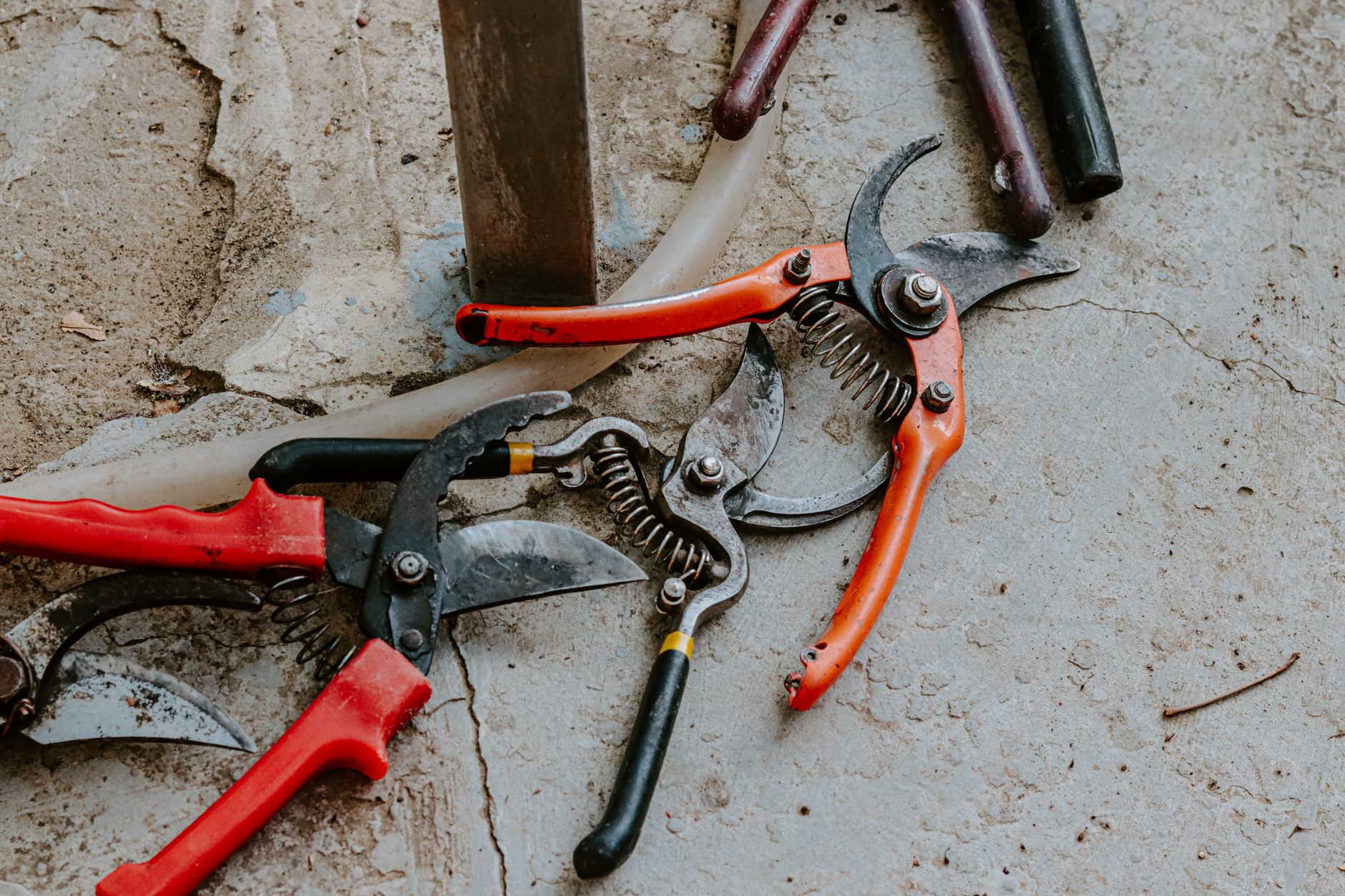
A good pair of clean, sharp pruners makes this whole job faster and less punishing on your hands — we’ve been reaching for ours from Garden Guru Tools all season, and fall cleanup is where a proper bypass pruner earns its keep instead of the dull kitchen scissors that “kind of work.”
Once the obvious cleanup is done, take five minutes to walk the garden with a notebook. What struggled? What thrived? That’s the real value of fall cleanup — not just a tidy bed, but a clear head start on next year.


Leave a comment