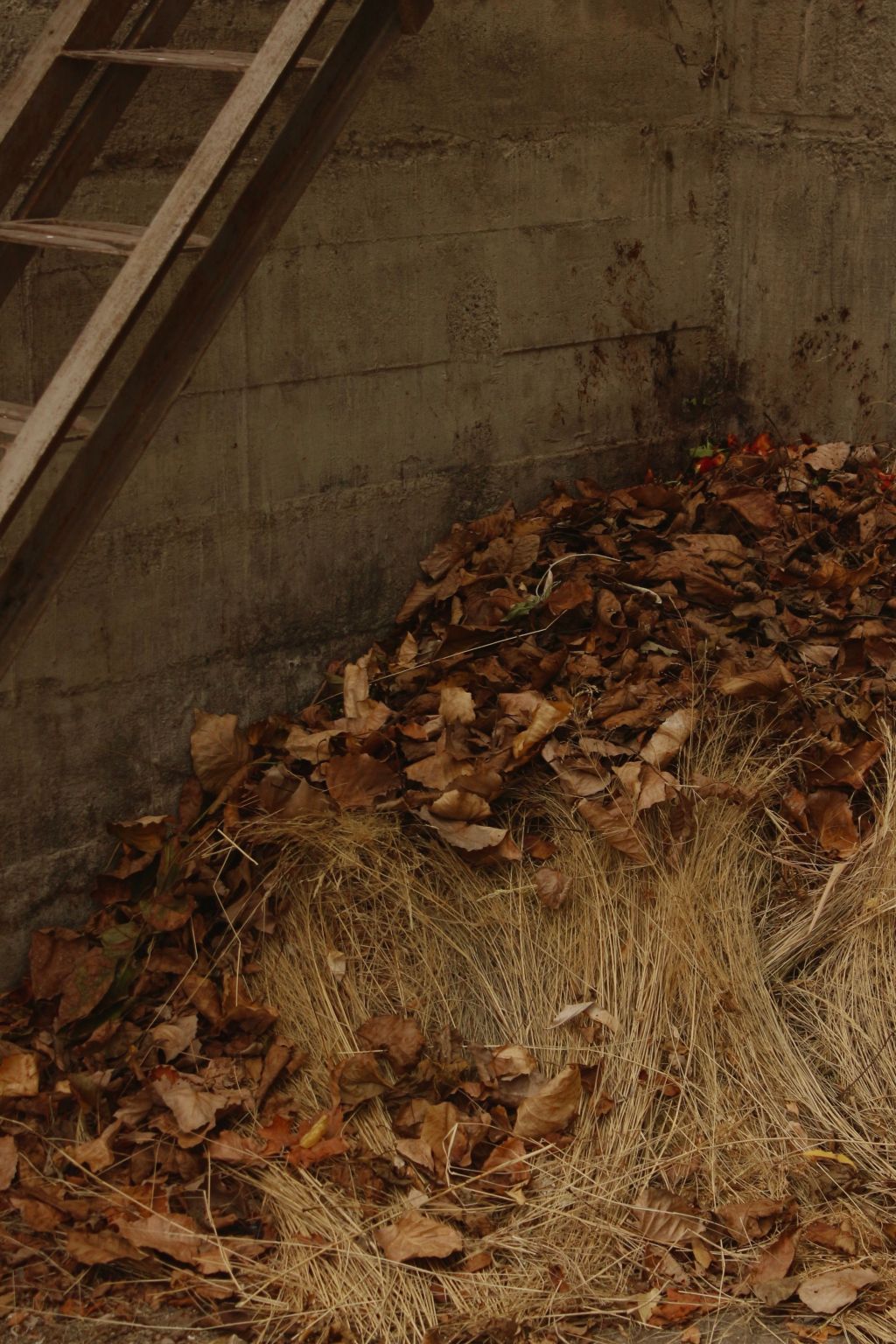
All that fall garden debris — spent plants, fallen leaves, dropped fruit — doesn’t have to go to the curb. With a basic understanding of what compost actually needs, you can turn this season’s cleanup into next year’s best soil amendment.
Balance browns and greens. Compost needs roughly 2-3 parts “browns” (dry leaves, straw, cardboard) to 1 part “greens” (fresh plant trimmings, kitchen scraps, coffee grounds). Fall is brown-heavy season, which is perfect — stockpile extra dry leaves now to balance out kitchen scraps all winter.
Skip diseased plants and seedy weeds. Tomato vines with blight, squash with powdery mildew, or anything gone to seed shouldn’t go in a home compost pile, since most backyard piles don’t get hot enough to kill pathogens and weed seeds. Bag those for yard waste pickup instead.
Chop it up. Whole cornstalks and thick squash vines take forever to break down. A few minutes with pruners (or running the mower over a leaf pile) speeds decomposition dramatically by increasing surface area.
Keep it moist, not soggy. A pile should feel like a wrung-out sponge. Too dry and decomposition stalls; too wet and it turns anaerobic and smelly. Fall rain usually handles this, but check periodically.
Turn occasionally. Turning a pile every few weeks introduces oxygen and speeds things along, though even an untouched pile will break down eventually — it just takes longer.
By spring, this fall’s garden waste will be dark, crumbly, finished compost — exactly what next year’s beds need.


Leave a comment