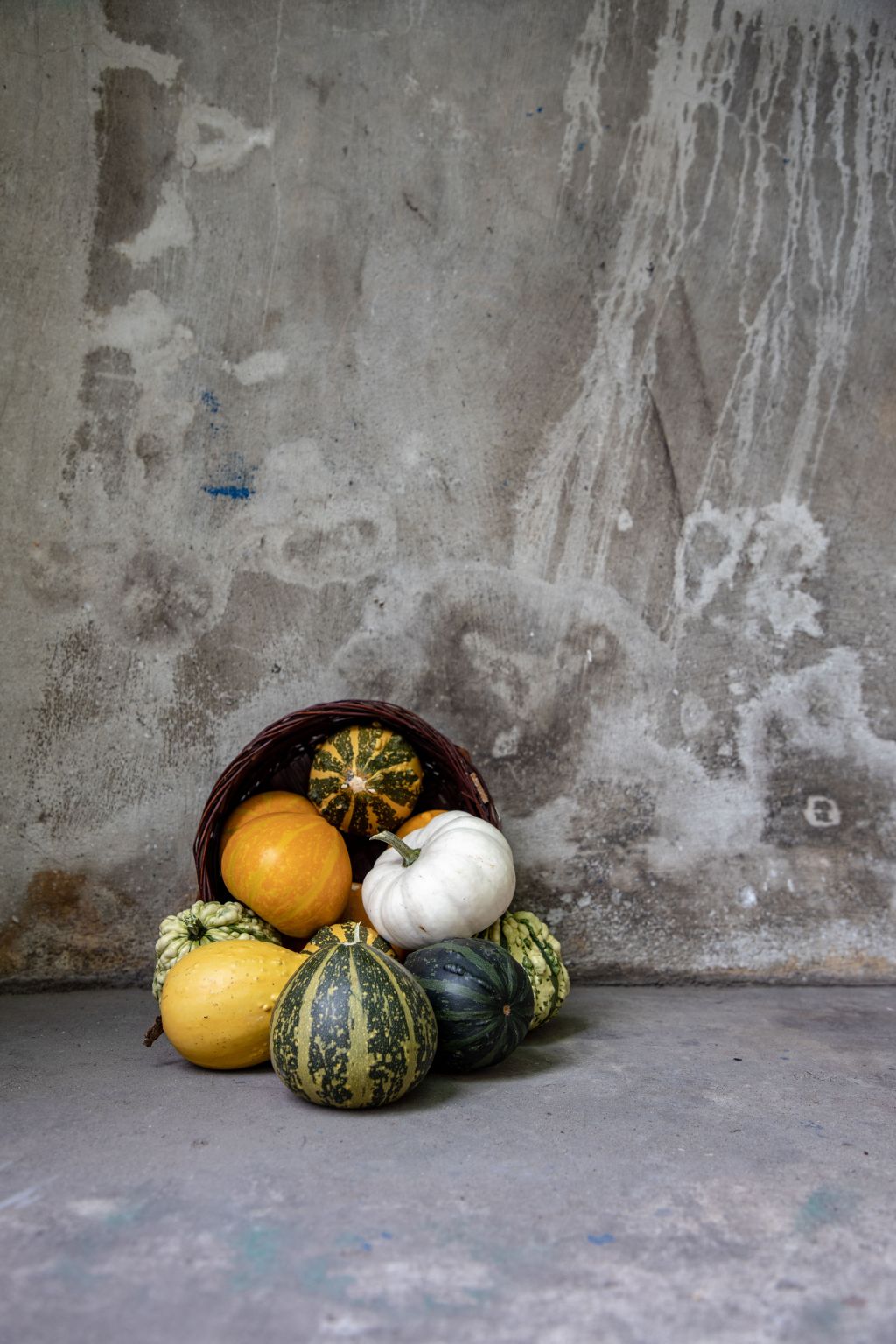
Winter squash — butternut, acorn, delicata, spaghetti — are some of the best-keeping vegetables you can grow, but only if you cure and store them properly. Skip this step and you’ll be composting soft, moldy squash by Thanksgiving instead of eating it through February.
Harvest at the right time. Wait until the vine dies back and the rind is hard enough that a fingernail won’t easily puncture it. Leave 2-3 inches of stem attached — squash with broken or missing stems rot much faster.
Cure before storing. Curing hardens the skin further and heals over any small nicks from harvest. Set squash in a warm (80-85°F), well-ventilated spot out of direct sun for 7-10 days. A sunny porch or a spot near a sunny window works well if you don’t have a proper curing space.
Store cool and dry. Once cured, move squash to a cool (50-55°F), dry location — a basement, unheated closet, or pantry all work. Don’t refrigerate whole squash; it’s too cold and humid and shortens storage life. Set squash on a shelf or slatted crate rather than directly on concrete, and make sure they aren’t touching each other so one soft spot doesn’t spread.
Check in regularly. Look squash over every couple of weeks and use any that are softening first. Properly cured butternut and hubbard squash can last 4-6 months; acorn and delicata are more delicate and keep best for 2-3 months.
A little patience at harvest time turns into soup, roasted squash, and pie filling well into the new year.


Leave a comment