
Bare soil is one of the most common — and most avoidable — mistakes in a home garden. Left uncovered all winter, soil erodes, loses nutrients to rain and wind, and starts spring compacted and depleted. A cover crop fixes all three problems for the cost of a seed packet and an afternoon.
What a cover crop actually does
- Nitrogen-fixing crops (clover, hairy vetch, field peas) pull nitrogen from the air and store it in their roots, feeding your soil for free.
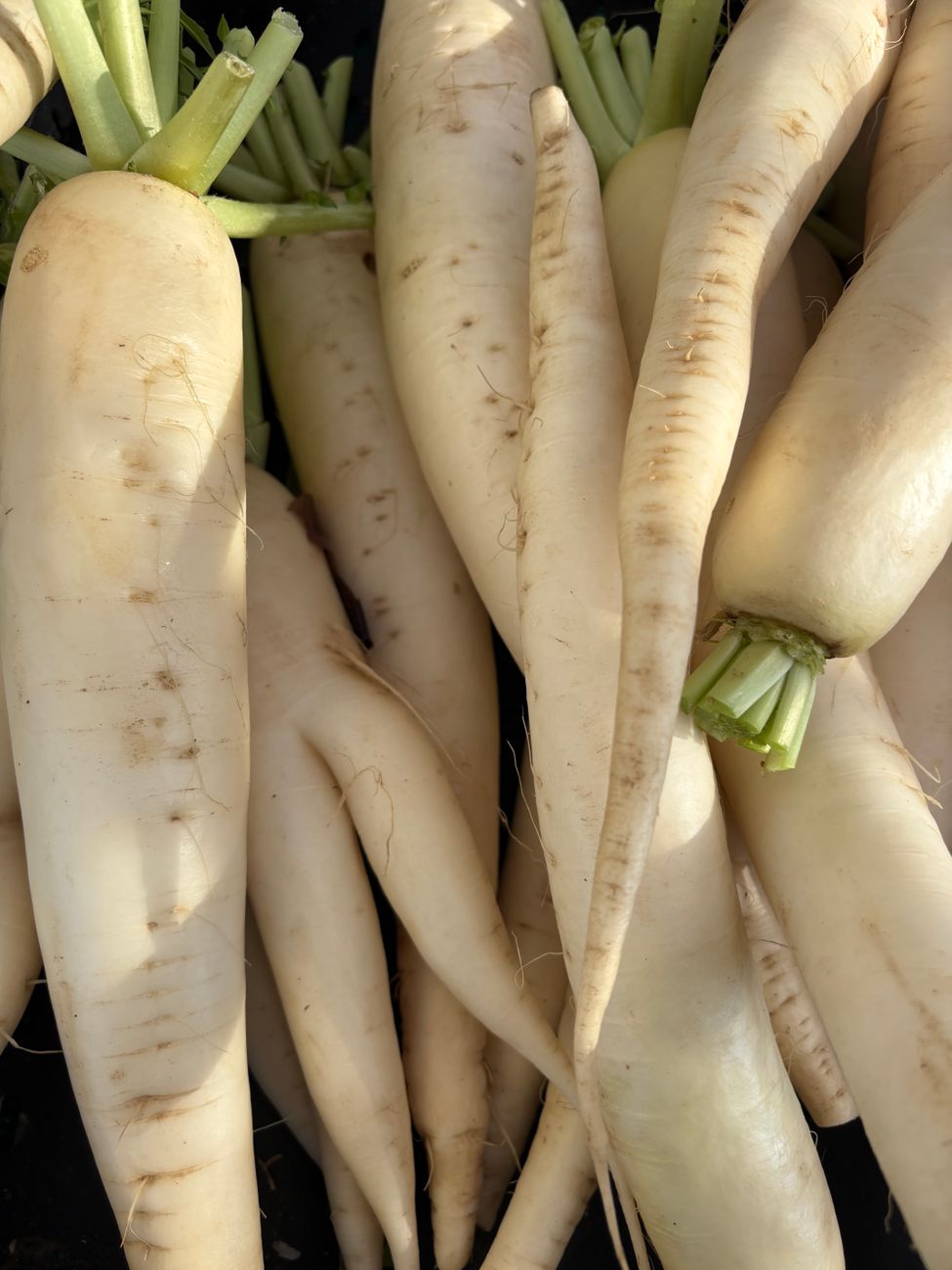
- Deep-rooted crops (daikon radish, winter rye) break up compaction and improve drainage.
- Dense, fast-growing crops smother winter weeds before they get a foothold.
Choosing a mix depends on your goal. If your soil felt tired this year, lean toward a nitrogen-fixer like crimson clover. If you’re dealing with heavy, compacted clay, daikon radish (sometimes sold as “tillage radish”) does a remarkable job of loosening it — the roots rot in place over winter and leave channels behind. We’ve had good luck sourcing cover crop seed blends from SeedsNow, since they sell in garden-scale quantities instead of the 25-pound farm bags most cover crop seed comes in.
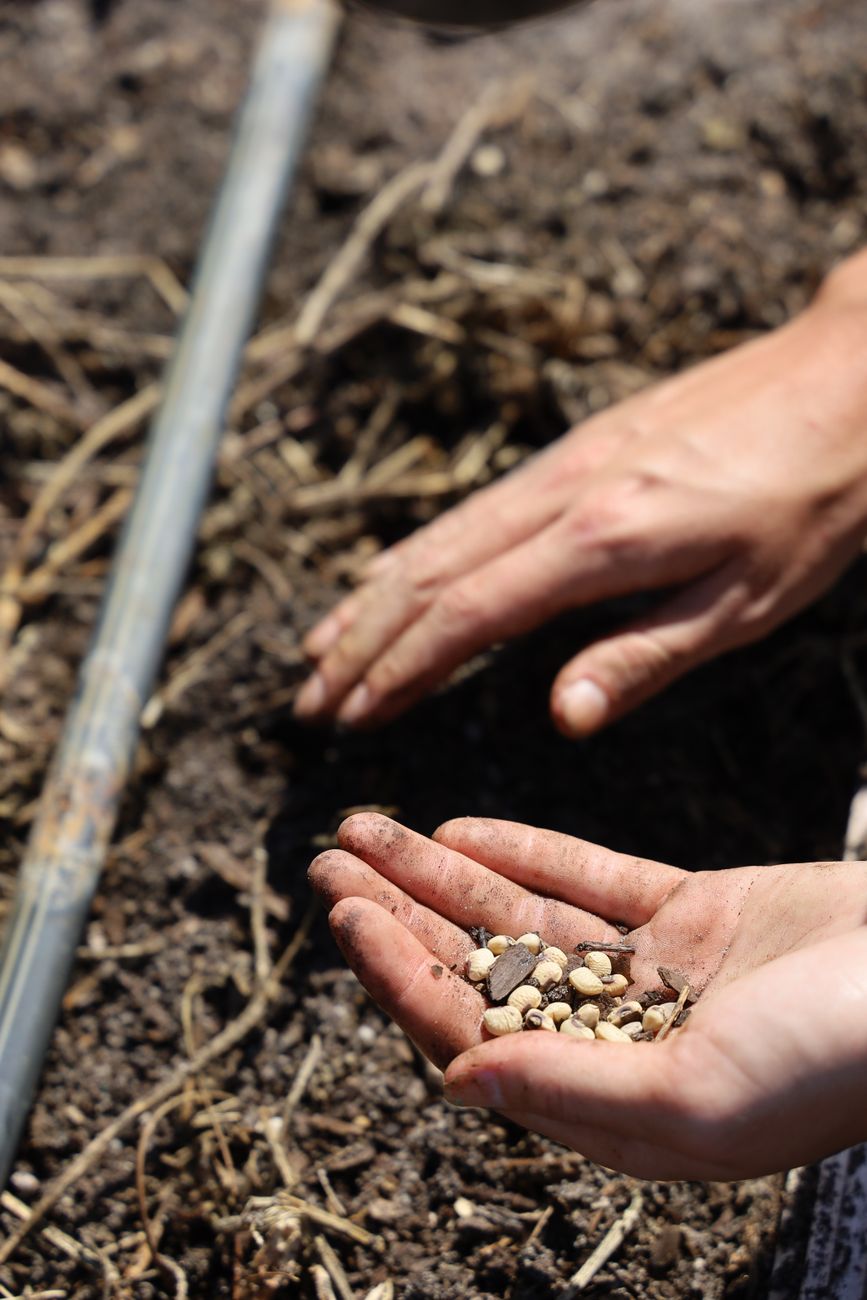
How to plant: Clear the bed, scatter seed by hand at the rate listed on the packet, rake lightly to cover, and water in. That’s it — most cover crops need zero fussing once established.
Come spring, about two to three weeks before you want to plant, cut the cover crop down before it goes to seed and either till it in shallow or leave it as mulch on top (a method called “chop and drop”). Either way, you’re feeding next year’s vegetables with this year’s cover crop instead of a bag of synthetic fertilizer.
It’s a genuinely low-effort way to end the season doing something for your soil instead of just to it.


Leave a comment