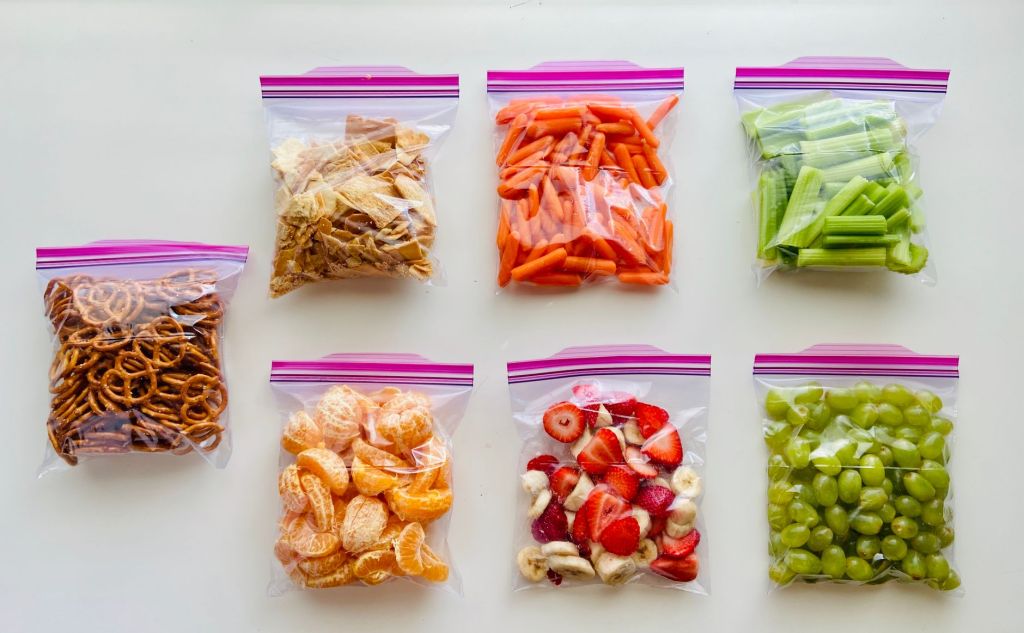
If canning feels like a big commitment, freezing is the easiest way to put away peak-season produce — no jars, no processing times, no acidity math. The one step most people skip (and shouldn’t) is blanching.
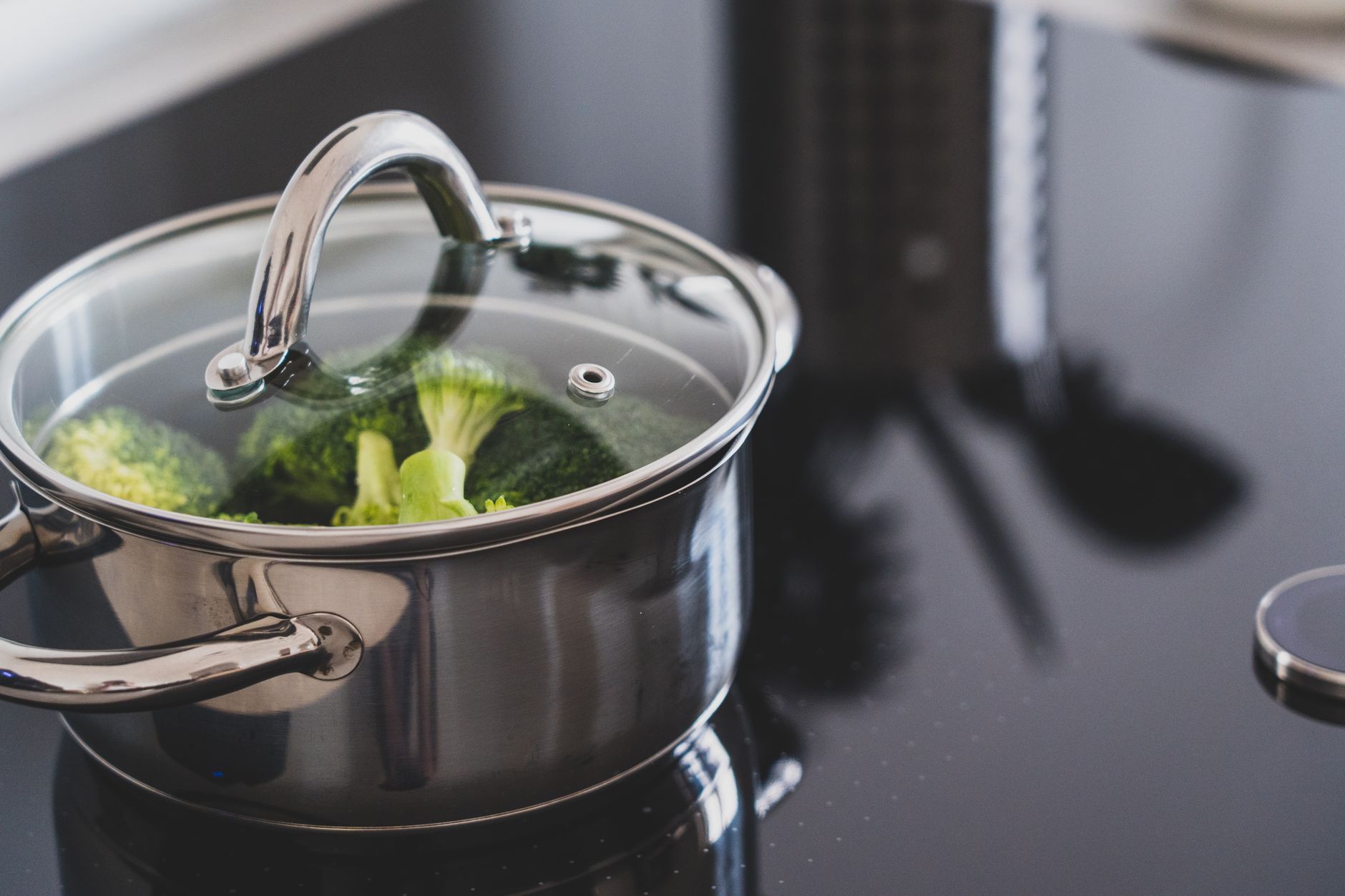
Why blanch before freezing?
Blanching — a brief dunk in boiling water followed by an ice bath — stops the enzyme activity that causes vegetables to lose color, flavor, and texture in the freezer. Skip it, and vegetables that go straight into the freezer often turn dull, mushy, or “off”-tasting within a month or two. A few seconds to a couple of minutes in boiling water makes the difference between vegetables that taste like summer in January and ones that taste like freezer.
The basic method
- Wash and cut vegetables into uniform, freezer-ready pieces.
- Bring a large pot of water to a rolling boil.
- Drop vegetables in for the blanch time below, starting the clock once the water returns to a boil.
- Immediately transfer to a bowl of ice water for the same amount of time, to stop the cooking.
- Drain thoroughly and pat dry — excess water means more ice crystals in the freezer.
- Spread in a single layer on a tray, freeze until solid (about 2 hours), then transfer to freezer bags. This “flash-freeze” step keeps pieces separate instead of clumping into one block.
Blanch times for common late-summer vegetables
- Green beans (whole or cut): 3 minutes
- Corn (cut off the cob): 4 minutes on the cob before cutting
- Zucchini or summer squash: 3 minutes (best shredded or sliced, as it softens more than other vegetables)
- Broccoli or cauliflower florets: 3 minutes
- Carrots (sliced): 2 minutes
A few things that don’t need blanching
Herbs, onions, and peppers can go straight into the freezer without blanching — their texture change is less noticeable, and many people freeze them raw specifically for cooking later. They won’t hold up well eaten thawed and raw, but they’re fine added directly to soups, sauces, and stir-fries from frozen.
Storage tip: press as much air out of the bag as possible before sealing — air is what causes freezer burn, not the freezer itself. Label with the contents and date; most blanched vegetables hold their best quality for 8–12 months.
Printable: Freezing Quick Reference
- Vegetables washed and cut into uniform pieces
- Water at a full rolling boil before adding vegetables
- Blanch time started once water returns to a boil
- Ice bath ready before you start blanching
- Vegetables drained and dried before freezing
- Flash-frozen on a tray before bagging
- Bags labeled with contents and date
📌 Pin this post: a grid-style graphic of “blanch times at a glance” for the most common vegetables tends to get saved and referenced all season.


Leave a comment