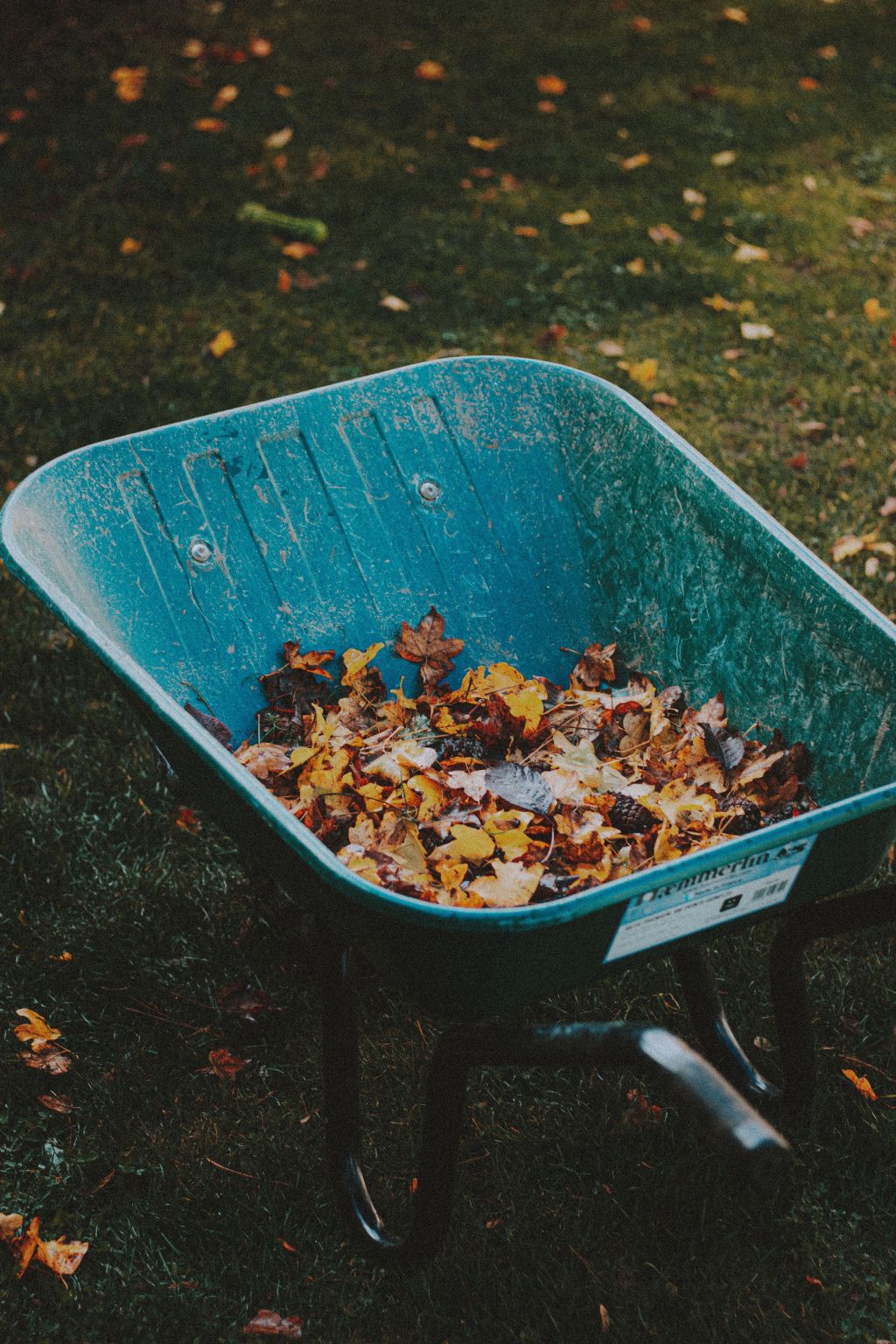
As October winds down, it’s worth taking one more pass through the garden before everything goes dormant for winter. A little closing-out work now sets next year’s garden up to hit the ground running.
Clear out spent annuals and diseased debris. Pull dead tomato, squash, and bean plants. Healthy debris can go to the compost pile; anything with blight, mildew, or pest issues should be bagged and removed instead.
Test and amend your soil. Fall is a great time for a soil test, since you’ll have months to correct pH or nutrient deficiencies before spring planting. Work in compost, aged manure, or amendments now so they have all winter to integrate.
Plant garlic and mulch beds if you haven’t already — garlic planted in fall is one of the most reliable, low-effort crops for next summer.
Protect perennial beds. A few inches of mulch (straw, shredded leaves, or bark) insulates perennial roots through freeze-thaw cycles and suppresses spring weeds before they start.
Drain irrigation and store hoses, and winterize any garden tools you haven’t gotten to yet.
Take notes while it’s fresh. What worked, what didn’t, which varieties you’d grow again — jot it all down now. By March, the details of this season blur fast.
Start planning next year. Order seed catalogs, sketch out a rough bed rotation, and make a wishlist. Both SeedsNow and Botanical Interests are worth a browse for anything new you want to try next season — ordering early means better selection before popular varieties sell out.
Close the garden out well, and next spring will feel like picking up where you left off instead of starting from scratch.


Leave a Reply