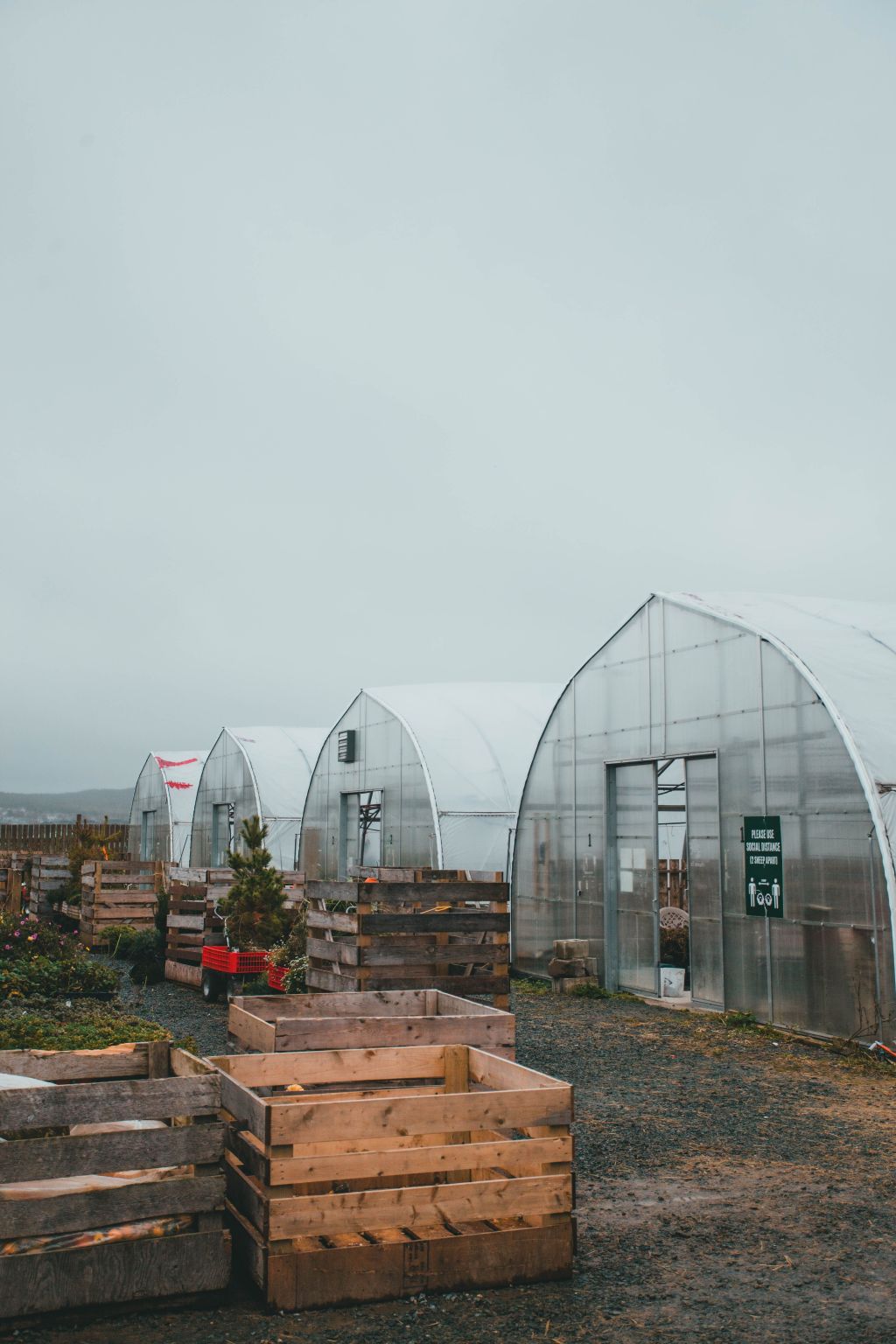
A cold frame is one of the simplest, cheapest ways to keep harvesting fresh greens well past your first frost — essentially a mini unheated greenhouse that traps solar heat and blocks wind, often adding a full growing zone of protection.
Understand what it actually does. A cold frame won’t keep plants growing through a hard freeze indefinitely, but it buys weeks to months of extra season for cold-hardy crops, and can often keep greens alive (if not actively growing) all winter in milder climates.
Keep the build simple. A basic frame is just four sides (wood, straw bales, or even stacked cinder blocks) topped with an old window, clear plastic sheeting stretched over a frame, or a purpose-built polycarbonate lid. Angle the top slightly toward the south for better sun exposure and water runoff.
Choose the right crops. Spinach, kale, lettuce, arugula, mâche, and other cold-hardy greens thrive in cold frames. Root vegetables like carrots can also overwinter under a frame with a thick layer of mulch.
Manage temperature actively. This is the part people underestimate — a sunny 40°F day can push the inside of a closed cold frame past 80°F, which will cook seedlings. Prop the lid open on sunny days and close it back up before evening.
Water sparingly. Plants use much less water in cold, low-light conditions. Check soil moisture before watering rather than sticking to a routine schedule.
If you’ve been wanting to stretch your growing season without investing in a full greenhouse, a cold frame is the most affordable next step — and can often be built from materials already sitting in the garage.


Leave a Reply