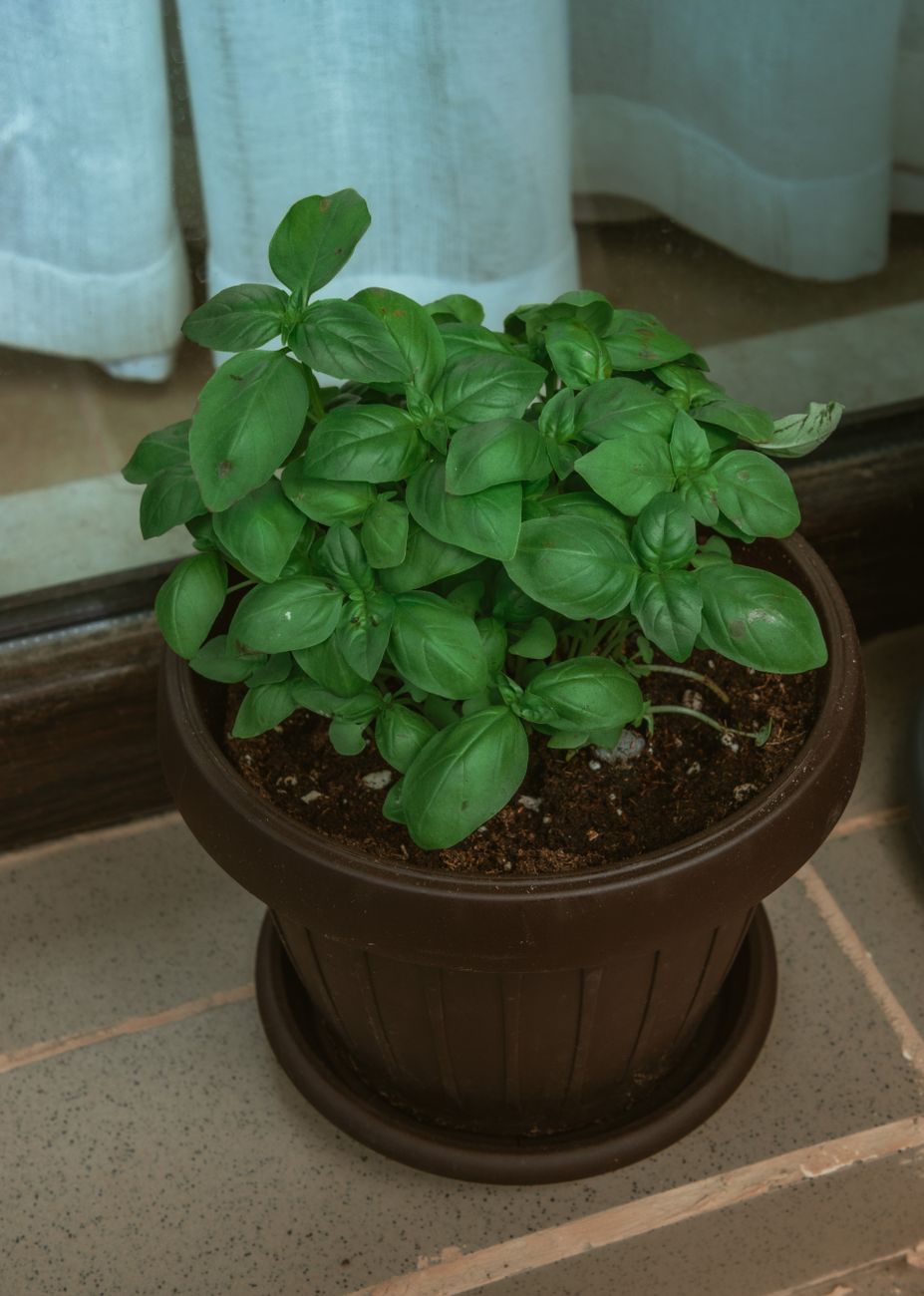
How you harvest herbs matters almost as much as when. Cut them the wrong way and growth slows down or the plant bolts early; cut them the right way and most herbs will keep producing right up until frost.
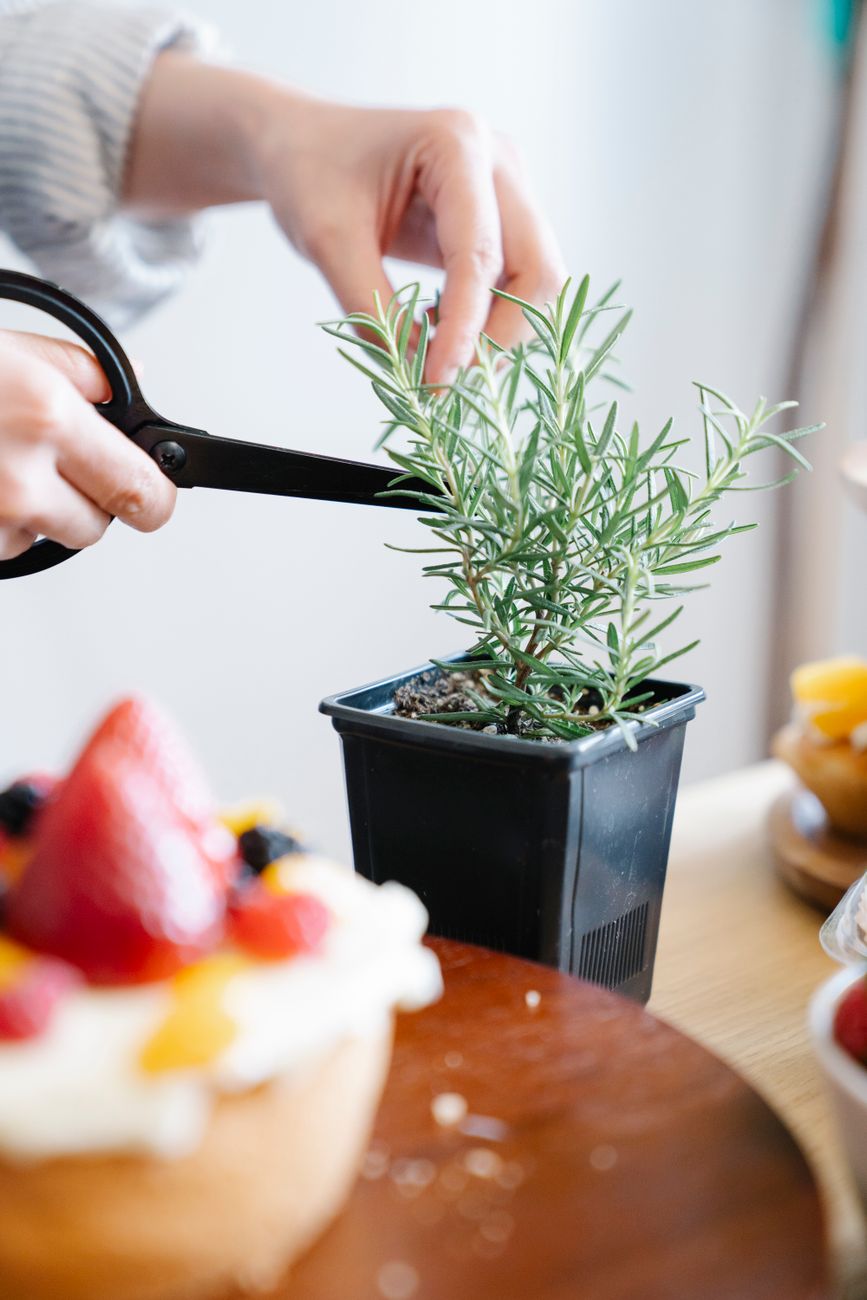
The general rule: cut above a leaf node
For most bushy herbs (basil, mint, oregano, thyme), always cut just above a set of leaves (a “node”), rather than snipping the very tip or cutting into bare stem. The plant responds to a node cut by branching into two new stems right below the cut — so each harvest actually makes the plant bushier and more productive, not smaller.
Basil: pinch often, and don’t let it flower
Basil is the herb most people harvest wrong. Pinch off the top set of leaves regularly, ideally before you see any flower buds forming — once basil flowers, it redirects energy from leaf production to seed production, and flavor turns bitter fast. If you spot flower buds, pinch them off immediately, even if you don’t need the herb that day; it buys the plant more productive weeks.
Woody herbs: never cut into old wood
Rosemary, thyme, and sage grow on a mix of soft new growth and older “woody” stems. Only harvest from the green, flexible growth — cutting into brown, woody stems often doesn’t regrow, and can leave the plant looking bare and stressed for the rest of the season.
How much you can safely take
As a general rule, harvest no more than about a third of a plant at any one time. Taking more than that removes too much of the plant’s ability to photosynthesize and recover, which slows regrowth and can stress it going into fall.
Chives, parsley, and cilantro: cut from the outside in
For herbs that grow in clumps rather than branching stems, harvest the oldest, outermost stems at the base and leave the young center growth to keep developing. Cutting straight across the top (like a haircut) looks tidy but actually slows the plant down more than selective outer cutting.
Late-summer bonus: herbs harvested now, before the weather cools, tend to have the highest essential oil content of the season — which is exactly why this is prime time to dry a batch for winter.
Printable: Herb Harvesting Cheat Sheet
- Cut just above a leaf node, not into bare stem
- Basil pinched regularly, flower buds removed on sight
- Woody herbs (rosemary, thyme, sage) cut only from green growth
- No more than 1/3 of the plant taken at once
- Clump-forming herbs (chives, parsley, cilantro) cut from the outside in
- Harvested in the morning for the best flavor
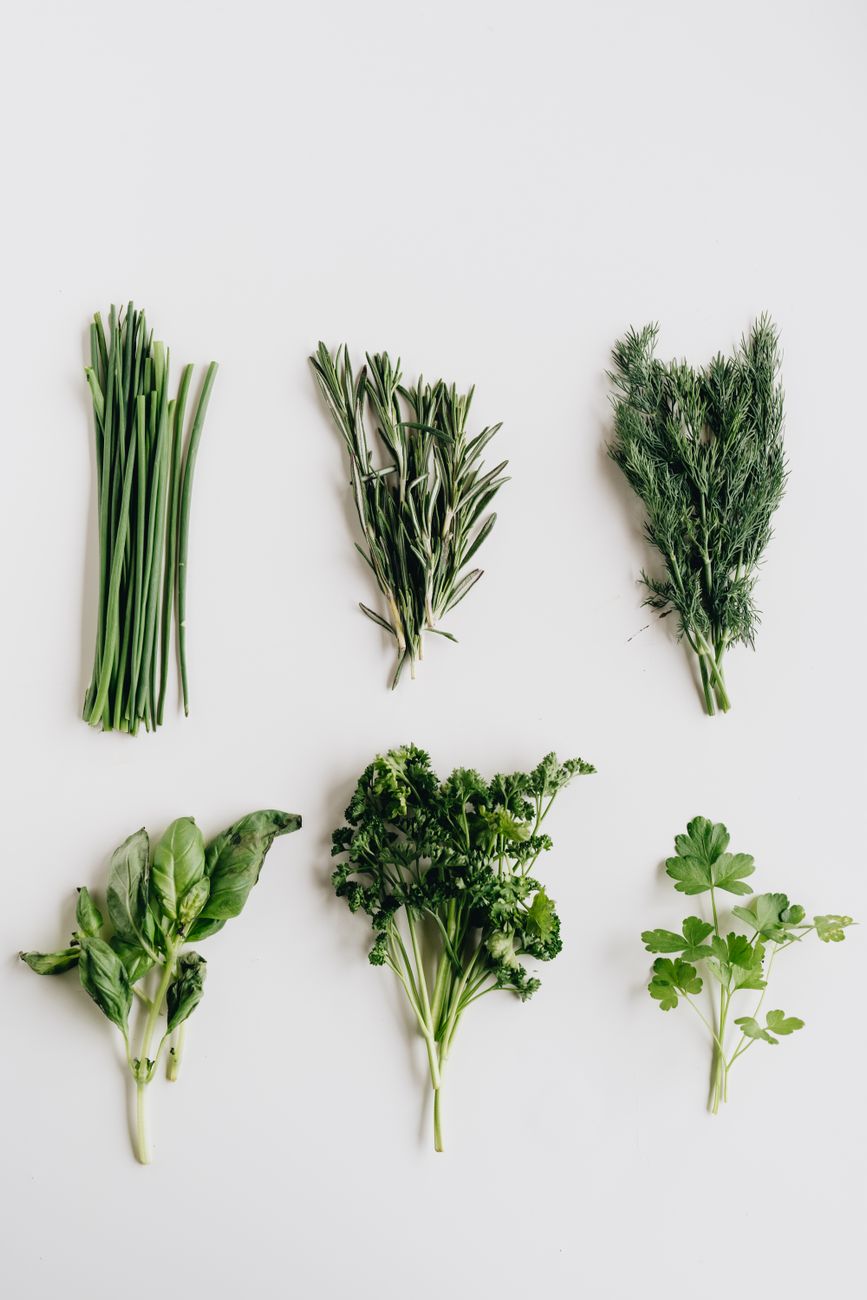
📌 Pin this post: pairs naturally with the drying post — consider linking the two together as a “grow it, then preserve it” herb duo pin.


Leave a comment