Fall is one of the best times to divide overgrown perennials — cooler temperatures and fall rain mean less transplant stress, and the plants have all winter to settle in before pushing new growth in spring. It’s also the easiest way to get more plants without spending a dime.
Know what to divide now. Spring and summer bloomers like hostas, daylilies, peonies, coneflowers, and ornamental grasses are good fall-division candidates. Save fall bloomers like asters and mums for spring division instead.
Time it right. Aim to divide 4-6 weeks before your ground typically freezes, giving roots time to establish before winter dormancy fully sets in.
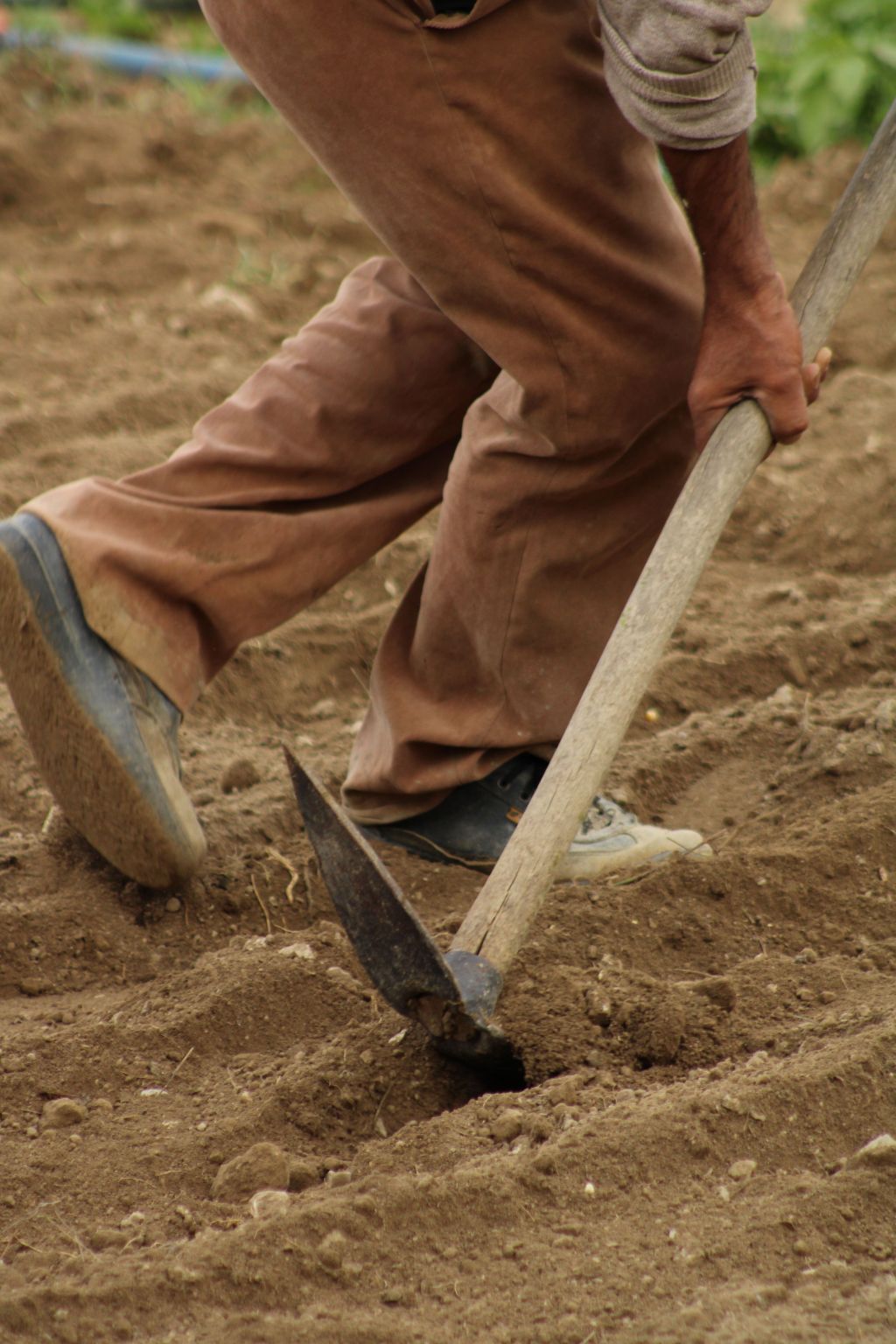
Dig generously. Dig a wide circle well outside the plant’s outer leaves to capture as much root system as possible, then lift the whole clump. A sharp, sturdy spade makes this dramatically easier — a well-built one from Garden Guru Tools will hold an edge through even heavy clay soil.
Divide cleanly. Depending on the plant, you can pull clumps apart by hand, cut with a spade, or use a knife to section the root ball. Each division needs healthy roots and at least a few growth points or eyes.
Replant promptly. Get divisions back in the ground the same day if possible, water in well, and add a couple inches of mulch once the soil cools further to protect roots through their first winter.
Divide once, and within a season or two you’ll have plants to fill in new beds, share with neighbors, or trade at a local plant swap.


Leave a comment